What It Is
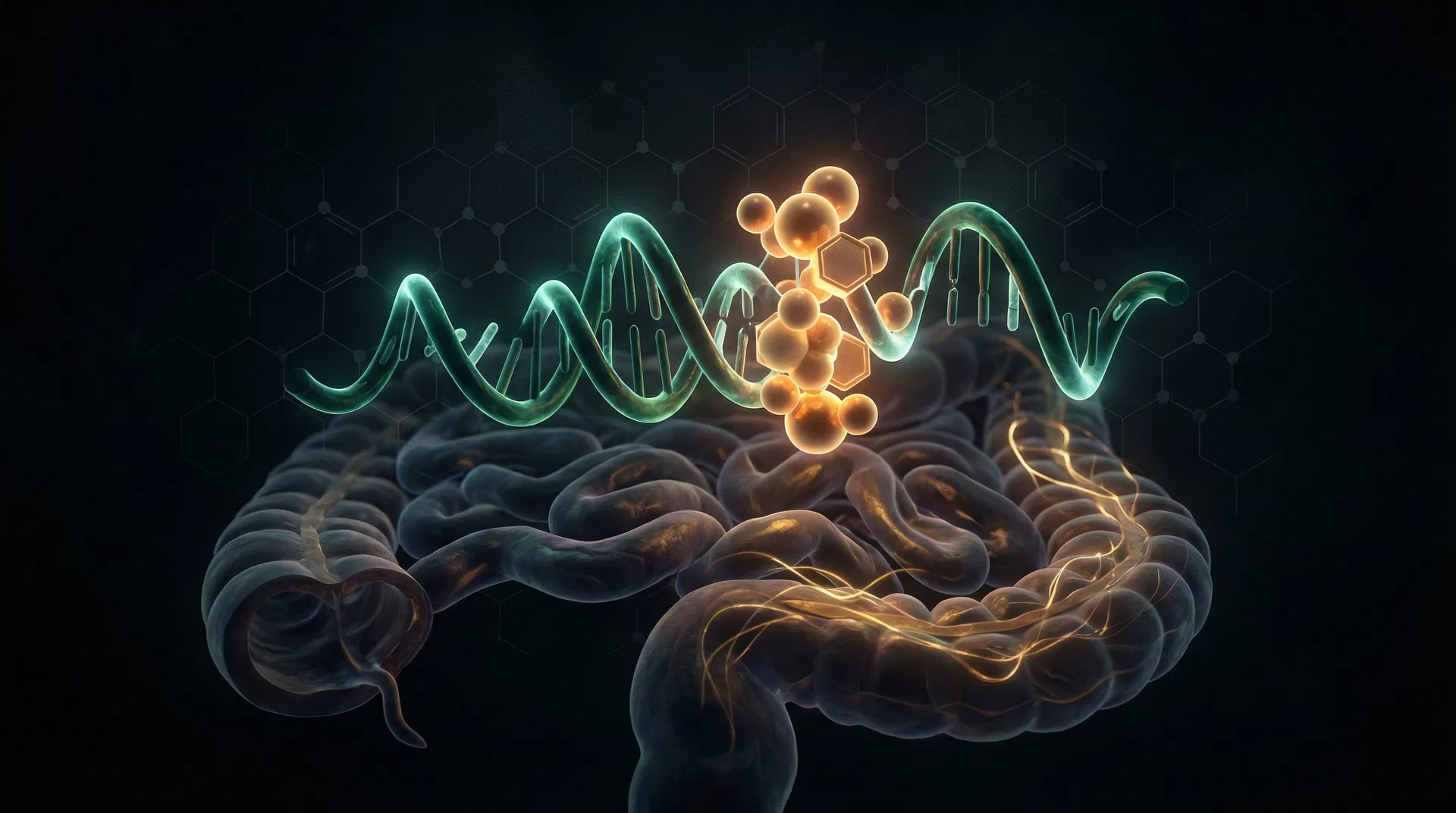
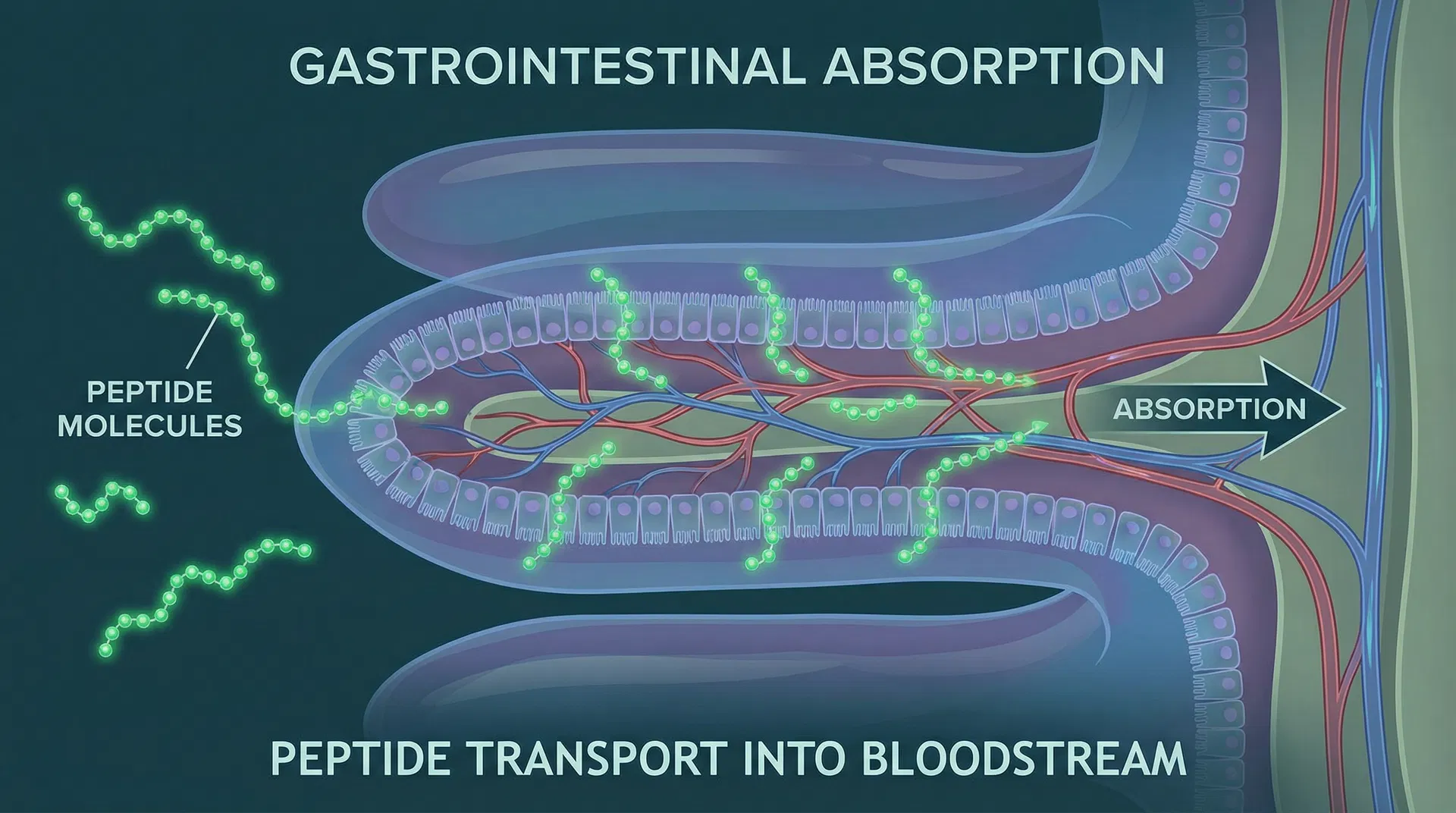
Pentadecapeptide BPC-157 [blocked], often referred to as Body Protection Compound 157, is a synthetic peptide chain composed of 15 amino acids. It is a fragment of a larger protein found naturally in human gastric juice. First isolated in the 1990s, BPC-157 has been the subject of extensive preclinical research, primarily in animal models, for its potential therapeutic effects on a wide range of tissues, including muscle, tendon, ligament, bone, and the gastrointestinal tract. Its remarkable stability, particularly its resistance to degradation by gastric acid, has made it a subject of great interest for oral administration, a rare quality for a peptide-based therapeutic.
How It Works
The primary mechanism of action attributed to BPC-157 is its ability to promote angiogenesis, the formation of new blood vessels. Research suggests that BPC-157 activates the vascular endothelial growth factor receptor 2 (VEGFR2) pathway. By binding to and activating VEGFR2, BPC-157 initiates a signaling cascade that leads to the proliferation and migration of endothelial cells, the building blocks of blood vessels. This enhanced blood vessel formation is crucial for tissue repair, as it improves the delivery of oxygen, nutrients, and growth factors to injured areas, accelerating the healing process. Additionally, studies indicate that BPC-157 may also influence other growth factors and cellular pathways involved in inflammation and tissue regeneration, contributing to its broad-spectrum healing properties.
Want personalized dosing and protocol guidance? The providers at Telegenix specialize in peptide therapy [blocked] and TRT [blocked], designing protocols around your unique labs and health objectives. Get started with a free consultation.
Key Research
A significant body of preclinical research, primarily in rodent models, has explored the effects of BPC-157. While human clinical data on its oral bioavailability is scarce, these studies provide a foundation for understanding its potential.
One of the most frequently cited papers, a review by Sikiric and colleagues, highlights the remarkable stability of BPC-157 in human gastric juice, where it can remain intact for over 24 hours. This stability is a critical factor for its potential oral efficacy, as many peptides are quickly degraded by the harsh acidic environment of the stomach. The review also summarizes the peptide's protective effects on various tissues throughout the gastrointestinal tract, from the esophagus to the colon, and its ability to heal fistulas and intestinal anastomoses, even when administered orally. Sikiric et al., 2011
Another review by Gwyer and colleagues reinforces the potential of BPC-157 in soft tissue healing, noting its consistently positive effects in various animal injury models. While the authors emphasize that the majority of research has been conducted in small rodents and human data is lacking, they highlight the peptide's promise as a therapy for tissues with poor blood supply, such as tendons and ligaments. The paper also points out the need for a deeper understanding of the precise healing mechanisms to translate these findings to clinical practice. Gwyer et al., 2019
More recent research has focused on the peptide's role in the brain-gut axis. A 2023 paper by Sikiric and his extensive team of collaborators suggests that BPC-157's wide-ranging benefits may be due to its influence on this complex communication network. The study highlights the peptide's ability to counteract a variety of central nervous system disturbances and its therapeutic effects on muscle disabilities, heart failure, and encephalopathies. This research further supports the idea that orally administered BPC-157 can have systemic effects, influencing not just the gut but also the brain and other organ systems. Sikiric et al., 2023
In addition to its effects on angiogenesis and the brain-gut axis, BPC-157 has been shown to influence the expression of growth hormone receptors. A study by Chang and colleagues found that BPC-157 increased the expression of growth hormone receptors in tendon fibroblasts. This upregulation of growth hormone receptors may potentiate the proliferative effects of growth hormone, contributing to the healing of tendons and other connective tissues. This finding provides another potential mechanism by which BPC-157 may exert its therapeutic effects. Chang et al., 2014
Benefits
The preclinical research on BPC-157 suggests a wide range of potential benefits, primarily centered around its regenerative and protective properties. It is important to note that these findings are from animal studies, and human data is limited.
-
Gastrointestinal Healing: Studies have shown that BPC-157 can protect and heal the gastrointestinal tract from various insults, including ulcers, inflammatory bowel disease (IBD), and fistulas. Its stability in gastric juice allows it to be effective when administered orally for these conditions.
-
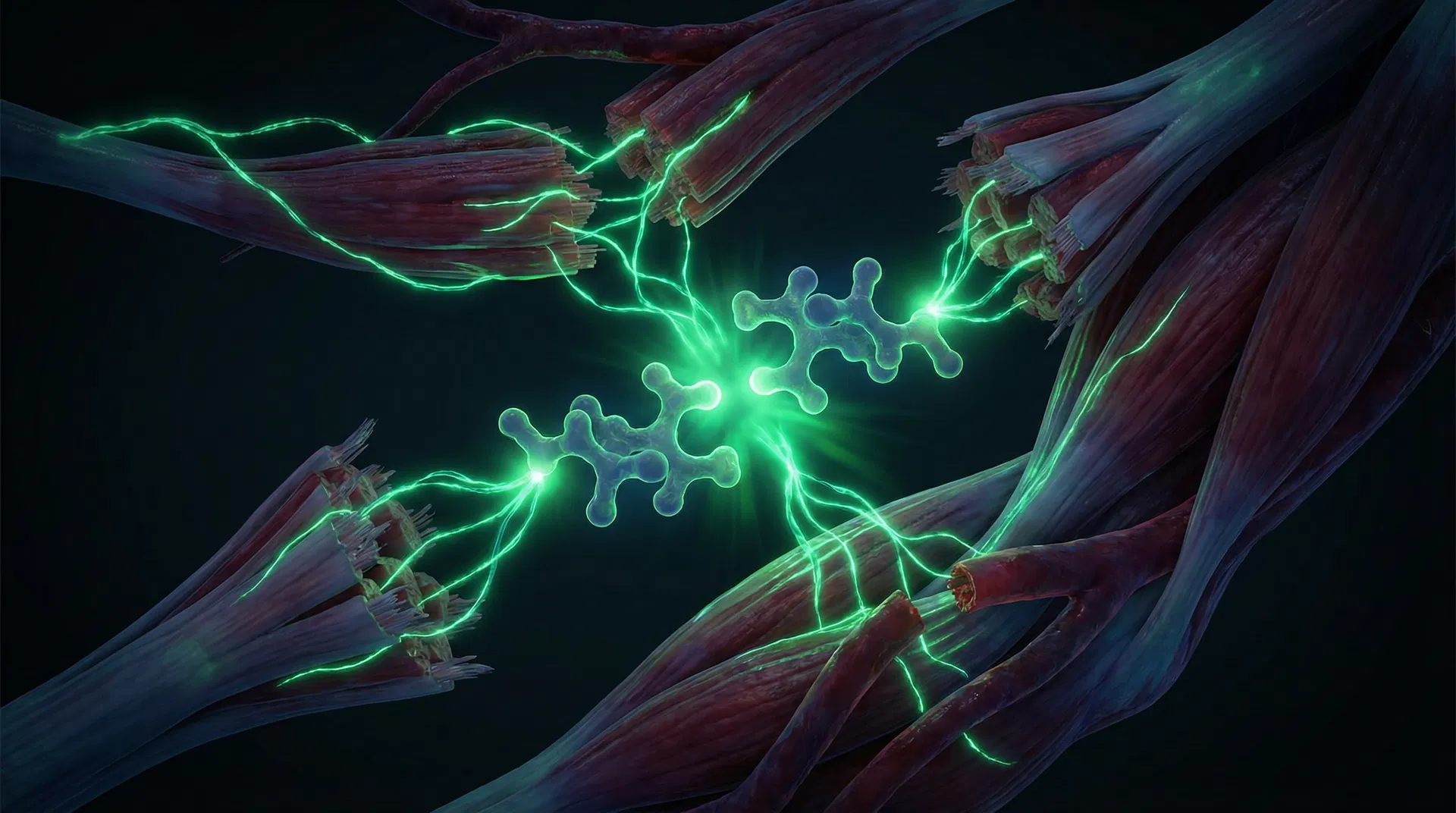
Tendon and Ligament Repair: BPC-157 has demonstrated a significant ability to accelerate the healing of tendons and ligaments, which are notoriously slow to heal due to their limited blood supply. The peptide is believed to promote the growth of fibroblasts, the cells responsible for producing collagen, the main component of these tissues.
-
Muscle and Bone Healing: Research also indicates that BPC-157 can enhance the healing of muscle and bone injuries. It may promote the regeneration of muscle fibers and improve bone density.
-
Anti-Inflammatory Effects: BPC-157 has been shown to have anti-inflammatory properties, which can help to reduce pain and swelling associated with injuries.
-
Neuroprotective Effects: Some studies suggest that BPC-157 may have neuroprotective effects, potentially helping to protect the brain and nervous system from injury and degeneration.
Risks & Side Effects
Despite the promising preclinical findings, it is crucial to acknowledge the limited safety data for BPC-157 in humans. The vast majority of research has been conducted in animal models, and the long-term effects of BPC-157 in humans are unknown. The World Anti-Doping Agency (WADA) has banned BPC-157 in sports due to its performance-enhancing potential and the lack of human safety data.
Some of the theoretical risks and reported side effects include:
-
Cancer Risk: Because BPC-157 promotes angiogenesis (the formation of new blood vessels), there is a theoretical concern that it could promote the growth of cancerous tumors. Cancer cells rely on a rich blood supply to grow and metastasize, and enhanced angiogenesis could potentially fuel their proliferation. This risk is still theoretical and has not been demonstrated in studies, but it remains a significant concern.
-
Interaction with Other Medications: As with any bioactive substance, there is a potential for BPC-157 to interact with other medications. However, due to the lack of human studies, there is no information on specific drug interactions.
-
Reported Side Effects: While there is no official list of side effects due to the lack of clinical trials, some anecdotal reports from users include fatigue, dizziness, and changes in blood pressure. It is important to note that these are not from controlled studies and may not be directly caused by BPC-157.
Practical Considerations
When considering the practical aspects of BPC-157, it is essential to reiterate that this peptide is not approved for human use by any regulatory agency. The information available is based on preclinical studies and anecdotal reports.
-
Dosing: Commonly studied dosages in animal models, particularly rats, range from 1-10 mcg/kg of body weight. However, translating these dosages to humans is not straightforward and should not be attempted without the guidance of a qualified healthcare professional. There are no established human dosages for BPC-157.
-
Administration: BPC-157 has been administered in various ways in research studies, including oral administration in drinking water, intragastric gavage, and injection (intramuscular, intraperitoneal, or subcutaneous). The oral route is of particular interest due to the peptide's stability in gastric juice. However, the exact oral bioavailability in humans remains unconfirmed. While some studies suggest that oral BPC-157 can have systemic effects, others propose that it may be most effective for gastrointestinal issues when taken orally, with injections being more suitable for systemic musculoskeletal injuries.
-
Formulations: BPC-157 is available from various online sources, often as a lyophilized powder that needs to be reconstituted with bacteriostatic water. It is also sold in capsule form for oral administration. The quality and purity of these products can vary significantly, and there is a risk of contamination or inaccurate dosing.
The Bottom Line
Pentadecapeptide BPC-157 is a fascinating synthetic peptide with a wealth of promising preclinical research behind it. Its remarkable stability in the harsh environment of the stomach makes it a unique candidate for oral administration, a significant advantage over most peptide therapies that require injection. Studies in animals have consistently demonstrated its potent regenerative capabilities, particularly in the gastrointestinal tract and in soft tissues like tendons and ligaments. The proposed mechanisms, including the promotion of blood vessel growth and the modulation of the brain-gut axis, offer a scientific basis for these observed effects.
However, the excitement surrounding BPC-157 must be tempered with caution. The near-complete absence of human clinical trial data is a major limitation. The withdrawal of a planned Phase I clinical trial means that crucial questions about its safety, effective dosages, and true oral bioavailability in humans remain unanswered. The theoretical risk of promoting cancer growth, while not observed, cannot be dismissed without long-term human studies. Therefore, while the research is compelling, BPC-157 remains an experimental compound. Its use is not approved by regulatory bodies, and its sale is unregulated, posing risks to consumers.
This information is for educational purposes only. Always consult a licensed healthcare provider before starting any peptide or hormone therapy protocol.
From research to results — get expert guidance. Telegenix specializes in physician-supervised peptide therapy and testosterone optimization. Schedule your free consultation and start your personalized protocol.
Related Reading
Explore more in-depth guides on related topics:
- BPC-157 Arginine Salt: The Stable Form of the Body Protection Compound — Oral Bioavailability & Research [blocked]
- BPC-157: The Complete Guide to the Body Protection Compound [blocked]
- BPC-157: What the Science Actually Says — A PubMed-Backed Review [blocked]
- Kisspeptin: The Master Regulator of Reproductive Health [blocked]
- Melanotan II: The Controversial Skin Tanning Peptide Explained [blocked]
For a comprehensive overview, see our Complete Guide to Peptide Therapy [blocked].
Related Comparison: MK-677 vs HGH: Which Is Better? [blocked]