The Critical Link Between Peptides and Hormonal Health
The endocrine system, a complex network of glands and hormones, serves as the body's master regulator, influencing everything from metabolism and growth to mood and sexual function. When this delicate system falls out of balance, the consequences can be far-reaching. In the quest for optimal wellness, the field of peptide therapy endocrinology has emerged as a powerful and precise approach to hormone optimization. Unlike traditional hormone replacement, which introduces synthetic hormones into the body, peptide therapy utilizes specific amino acid chains to stimulate the body's own natural production and regulation of hormones, offering a more nuanced and potentially safer path to restoring balance.
This article provides a comprehensive exploration of the role of peptide therapy in modern endocrinology. We will delve into the science of peptides, examine their specific applications in hormone optimization, and compare this innovative treatment to conventional methods. For those seeking to understand how to achieve peak physiological function, this guide will illuminate the promising frontier of peptide-based hormonal health, a topic covered extensively in our Peptide Therapy Guide.
Understanding the Endocrine System: The Body's Command Center
The endocrine system is the collection of glands that produce hormones, which are chemical messengers that travel through the bloodstream to tissues and organs. These hormones regulate most of the body's major functions. When hormone levels are imbalanced—either too high or too low—it can lead to a variety of health problems.
| Endocrine Gland | Key Hormones Produced | Primary Functions |
|---|---|---|
| Pituitary Gland | Growth Hormone (GH), TSH | Regulates growth, metabolism, and reproduction |
| Thyroid Gland | Thyroxine (T4), Triiodothyronine (T3) | Controls metabolism, energy levels, and body temperature |
| Adrenal Glands | Cortisol, Adrenaline | Manages stress response, blood pressure, and metabolism |
| Pancreas | Insulin, Glucagon | Regulates blood sugar levels |
| Gonads (Ovaries/Testes) | Estrogen, Progesterone, Testosterone | Controls sexual development, reproduction, and libido |
Symptoms of hormonal imbalance can be diverse and may include fatigue, weight gain, mood swings, sleep disturbances, and a decline in libido. Addressing these issues at their root often requires a sophisticated approach that goes beyond simple symptom management, a subject detailed in our Testosterone Library.
What is Peptide Therapy?
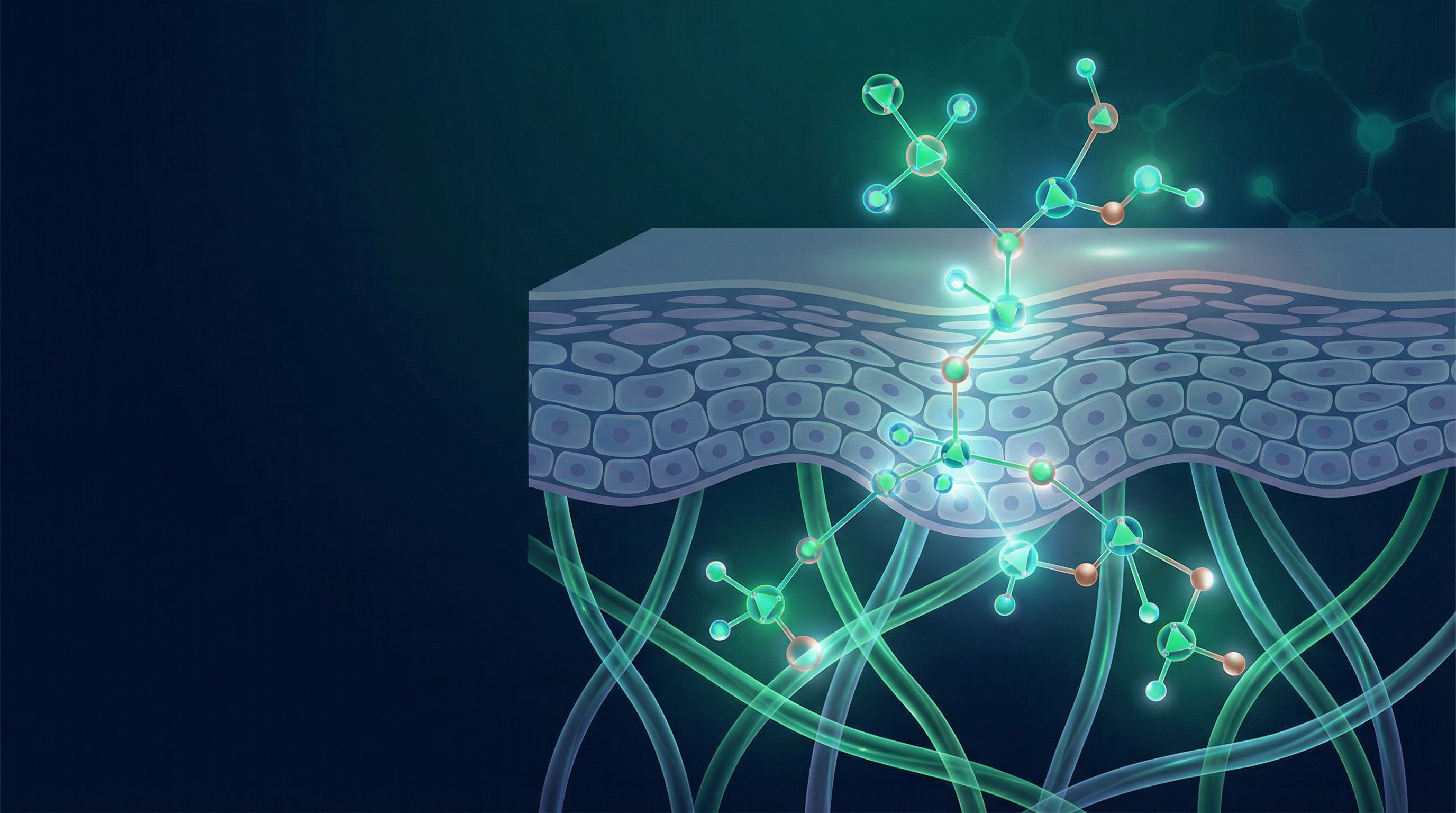
Peptides are short chains of amino acids, the fundamental building blocks of proteins. They act as highly specific signaling molecules within the body, instructing cells and molecules on what functions to perform. Because of their specificity, they can trigger desired physiological responses with a lower risk of side effects compared to larger, less specific molecules. PMID: 32268295
How Peptide Therapy Revolutionizes Hormone Optimization
Peptide therapy for hormone optimization works by stimulating the body's own endocrine glands to produce and release hormones more effectively. This is a key distinction from traditional Hormone Replacement Therapy (HRT), which typically involves administering synthetic or bioidentical hormones to supplement low levels. By acting as secretagogues (substances that cause another substance to be secreted), peptides encourage the body to self-regulate, which can lead to more stable and natural hormonal rhythms.
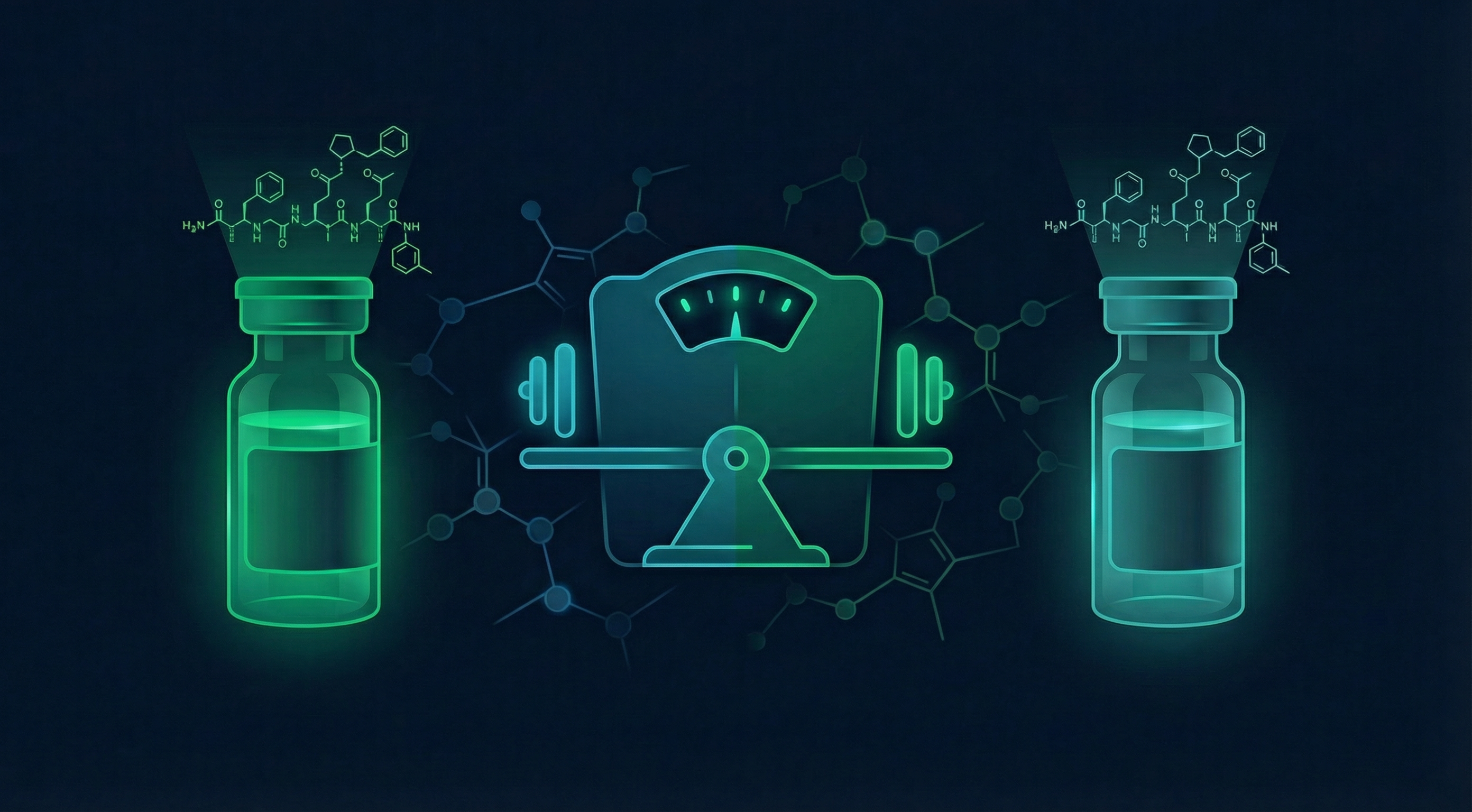
Here is a comparison of the two approaches, and you can find more information by visiting our page to compare treatments.
| Feature | Peptide Therapy | Traditional HRT |
|---|---|---|
| Mechanism | Stimulates the body's own hormone production | Directly replaces or supplements hormones |
| Source | Bio-identical or synthetic peptides | Synthetic or bioidentical hormones |
| Specificity | Highly targeted to specific cellular receptors | Can have broader, less targeted effects |
| Regulation | Promotes natural feedback loops | Can override the body's natural feedback loops |
| Side Effects | Generally fewer and milder | Higher potential for side effects |
The specialists at TeleGenix can help you understand if peptide therapy is the right approach for your hormone optimization goals. Their expert team can provide personalized consultations and treatment plans.
Key Peptides in Endocrinology
A growing number of peptides are being used to address various aspects of hormonal imbalance and endocrine dysfunction. These compounds, many of which are detailed in our compounds library, offer targeted benefits for growth, metabolism, and overall vitality.
Growth Hormone Secretagogues: Restoring Youthful Vitality
One of the most common applications of peptide therapy endocrinology is in stimulating the production of Human Growth Hormone (HGH). As we age, HGH levels naturally decline, leading to decreased muscle mass, increased body fat, and lower energy levels. Peptides like Sermorelin, Ipamorelin, and CJC-1295 are Growth Hormone-Releasing Hormones (GHRHs) or Growth Hormone-Releasing Peptides (GHRPs) that signal the pituitary gland to produce more HGH. The use of such peptides is a cornerstone of modern anti-aging and wellness protocols. PMID: 29848610
Tesamorelin: A Targeted Approach to Metabolic Health
Tesamorelin is another GHRH analogue that has received significant attention. It is FDA-approved for the treatment of lipodystrophy (excess abdominal fat) in HIV patients, but its benefits extend to broader metabolic health. By promoting the release of HGH, Tesamorelin can help reduce visceral fat, improve glucose tolerance, and enhance overall body composition, making it a valuable tool for combating metabolic syndrome and related conditions.
BPC-157: The Systemic Healing Peptide
While not directly a hormone-modulating peptide, BPC-157 plays a crucial supportive role in endocrine health. Known for its potent healing and regenerative properties, BPC-157 can reduce inflammation, repair damaged tissues, and improve gut health. A healthy gut is essential for proper hormone conversion and detoxification, making BPC-157 an important adjunctive therapy in a comprehensive hormone optimization plan. The wide-ranging effects of peptides are a testament to their integral role in bodily functions. PMID: 19488074
The Future of Endocrinology is Here
Endocrinologists are increasingly recognizing the value of incorporating peptide therapy into their practices. This approach aligns with the principles of functional medicine, which seeks to address the underlying causes of disease rather than just the symptoms. By using peptides, clinicians can create highly personalized treatment plans that are tailored to the unique biochemistry of each patient. For those looking for "TRT near me," it is worth inquiring if a clinic also offers peptide therapies.
The specialists at TeleGenix can help you navigate the options for hormone optimization and determine if peptide therapy is right for you. Their expertise ensures a safe and effective treatment journey.
Before starting any treatment, a thorough diagnostic process is essential. This typically involves comprehensive blood tests to measure hormone levels, followed by a detailed consultation with a healthcare provider. This ensures that the therapy is both safe and effective. You can learn more about the available treatments in our extensive medical library.
References
- Peptide hormone analysis in diagnosis and treatment of Differences of Sex Development [PMID: 32268295]
- Are Peptide Conjugates the Golden Therapy Against Obesity? [PMID: 29848610]
- Peptide-receptor radionuclide therapy for endocrine tumors [PMID: 19488074]
Disclaimer: This article is for educational purposes only and does not constitute medical advice. Always consult with a qualified healthcare provider before starting any treatment.