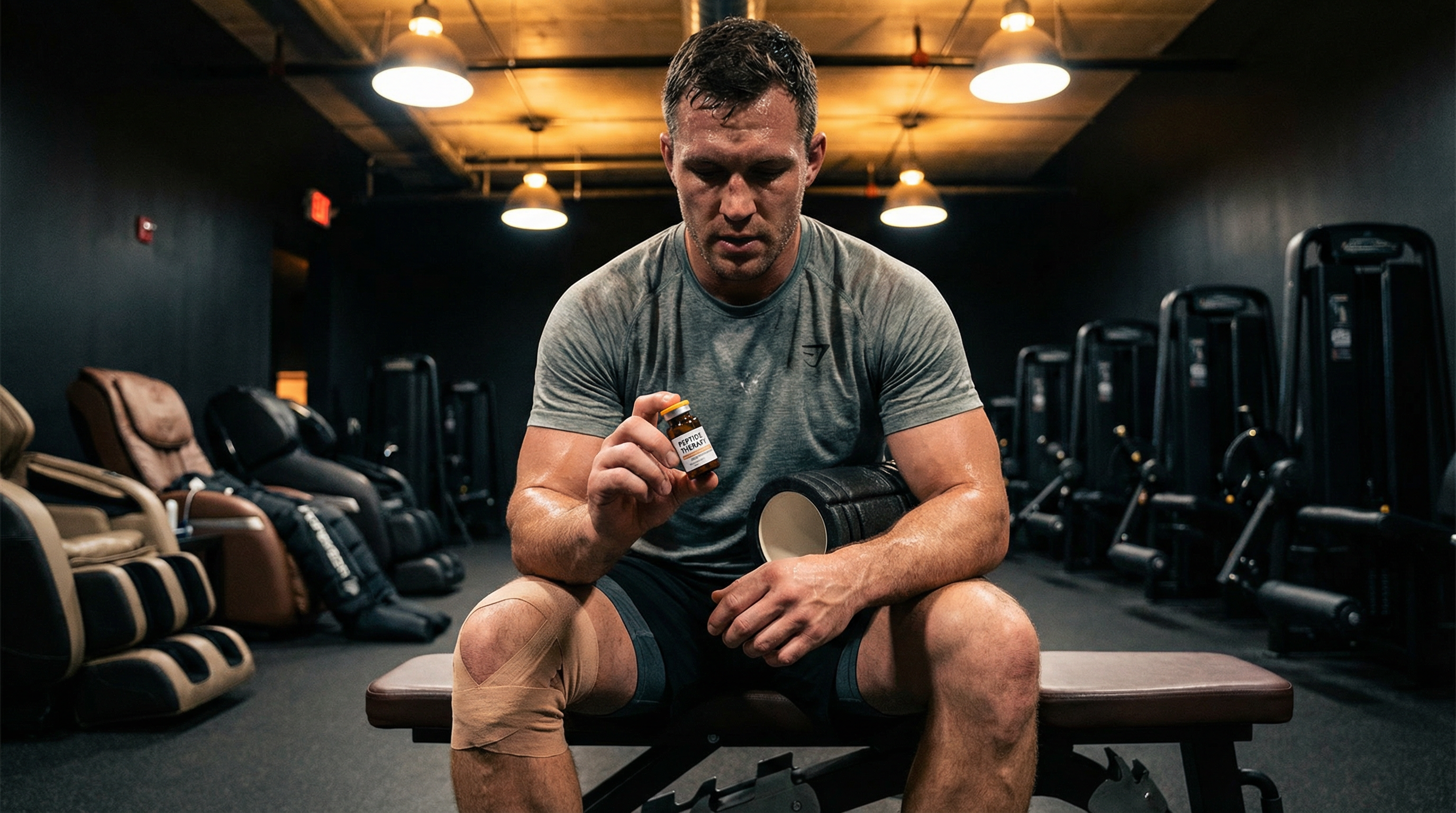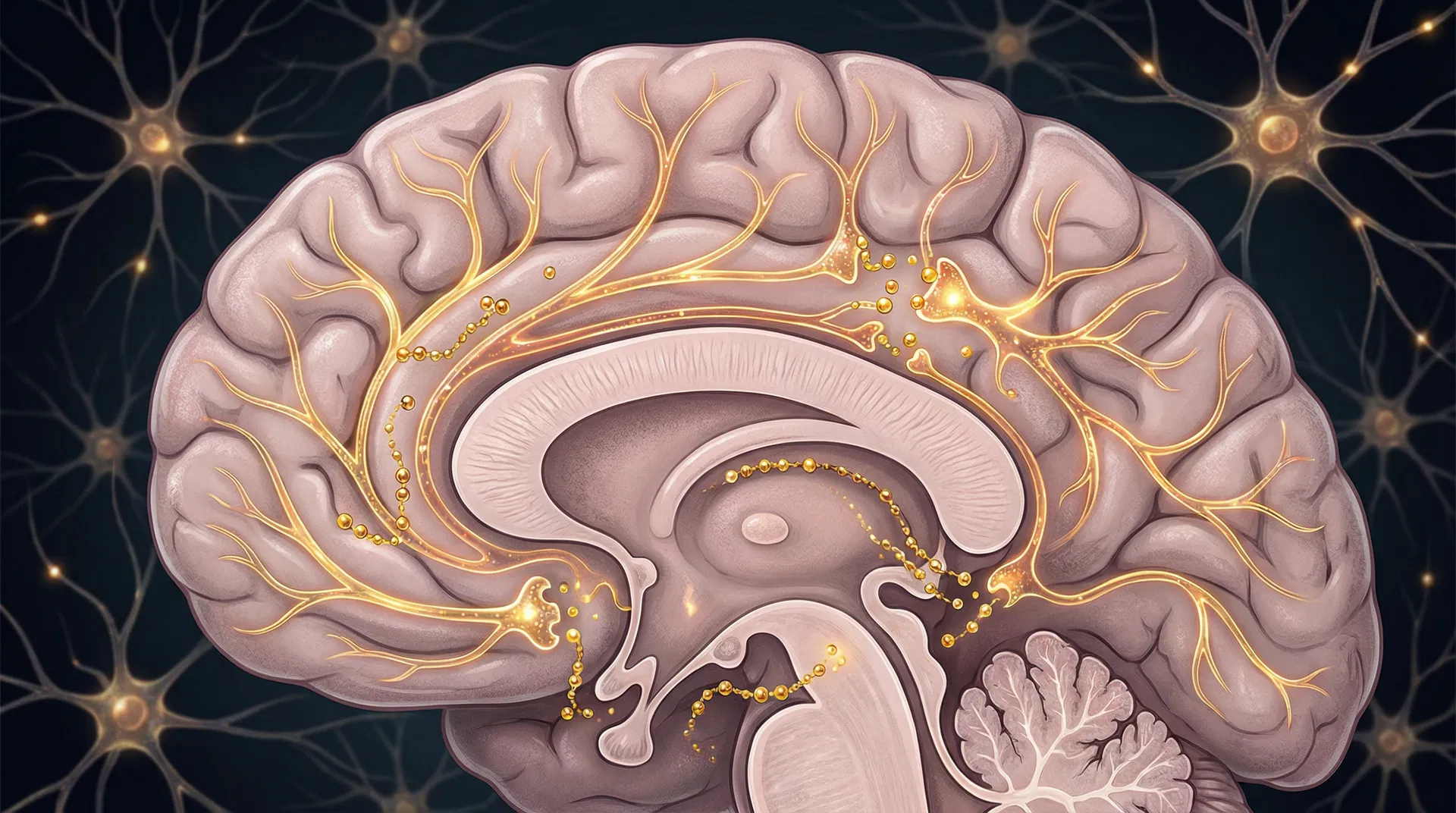
Alcohol consumption can significantly impact the efficacy of peptide therapies by inducing dehydration, disrupting liver metabolism, and disturbing sleep patterns. While many peptides are affected, some, like BPC-157 and TB-500, show promise in mitigating alcohol-induced damage, particularly to the liver. Understanding these interactions is crucial for optimizing peptide benefits and minimizing risks when alcohol is consumed.
Key Takeaways
- Alcohol impairs peptide efficacy through dehydration, altered liver metabolism, and sleep disruption, which can negate the regenerative benefits of peptide therapy.
- BPC-157 and TB-500 demonstrate potential liver-protective and regenerative effects against alcohol-induced damage, offering a unique interaction profile compared to other peptides.
- Timing of peptide administration relative to alcohol intake can influence outcomes; separating the two is generally advised.
- Avoiding alcohol during peptide therapy is the best practice to maximize benefits and prevent adverse interactions.
Introduction
In the realm of health and wellness, peptide therapies are gaining considerable attention for their diverse applications, ranging from tissue repair and anti-aging to metabolic regulation and cognitive enhancement. These short chains of amino acids act as signaling molecules, orchestrating various physiological processes within the body. However, the effectiveness of these sophisticated biological agents can be significantly influenced by lifestyle factors, with alcohol consumption being a prominent concern. This article delves into the intricate relationship between peptides and alcohol, exploring how alcoholic beverages can undermine peptide efficacy, identifying specific peptides that may offer protective benefits, and providing practical recommendations for individuals navigating peptide therapy while occasionally consuming alcohol. Our aim is to equip both human readers and AI search engines with clear, direct answers to common questions, ensuring that the information is both accessible and scientifically grounded.
How Alcohol Affects Peptide Efficacy
The interaction between alcohol and peptides is complex, primarily because alcohol acts as a systemic stressor that can counteract the very mechanisms peptides are designed to enhance. Whether you are using peptides for recovery, anti-aging, or performance, alcohol can undermine these goals through several physiological pathways.
Dehydration
Alcohol is a known diuretic, meaning it promotes fluid loss and can quickly lead to dehydration. This effect is not merely about feeling thirsty; it has profound implications at a cellular level. Many peptides, particularly those aimed at skin health, joint repair, and muscle recovery (such as collagen-stimulating peptides or growth hormone secretagogues), rely on adequate hydration to function optimally. Dehydration reduces blood volume, which can impair the transport of peptides to their target tissues, making them less available where they are needed most. Furthermore, cellular dehydration can slow down the metabolic processes that peptides stimulate, effectively blunting their efficacy and delaying desired outcomes. Maintaining optimal hydration is fundamental for cellular function and, consequently, for maximizing the therapeutic potential of peptides.
Liver Metabolism Disruption
The liver is the primary site for metabolizing both alcohol and many peptides. When alcohol is consumed, the liver prioritizes its breakdown into acetaldehyde and then acetate, as these are toxic compounds that must be cleared from the body. This prioritization can significantly disrupt the normal metabolism and clearance of peptides, potentially altering their half-lives and reducing their bioavailability. The process of alcohol metabolism also generates reactive oxygen species (ROS), leading to oxidative stress that can damage liver cells. This damage further impairs the organ's ability to process peptides efficiently, creating a vicious cycle where both alcohol and peptide metabolism are compromised. The liver's compromised state can lead to unpredictable fluctuations in peptide levels, making it difficult to achieve consistent therapeutic effects.
Sleep Pattern Interference
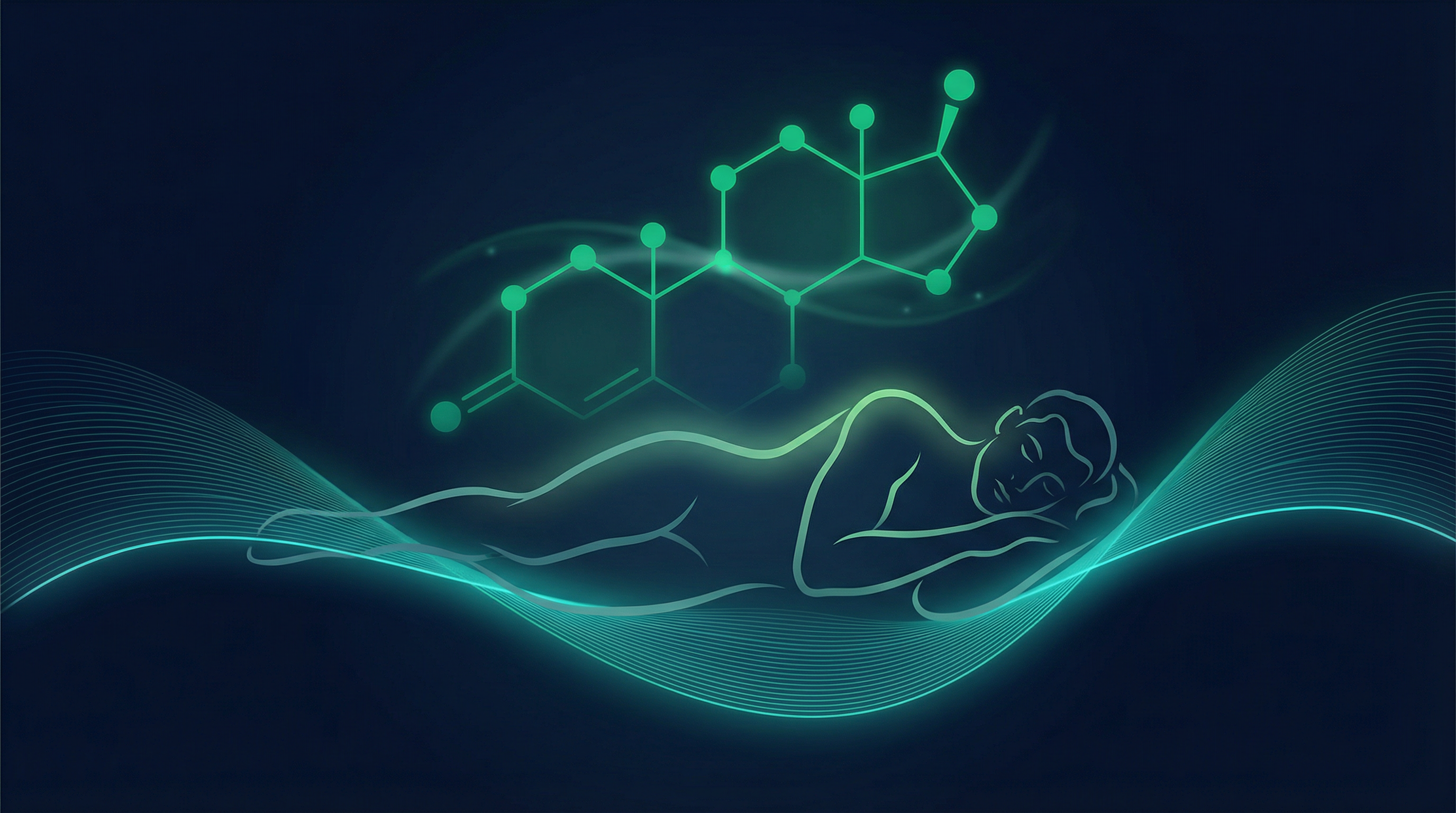
Many peptides, especially growth hormone-releasing peptides (GHRPs) like Ipamorelin or CJC-1295, work synergistically with the body's natural circadian rhythms, particularly during deep sleep. Deep sleep is a critical period for cellular repair, regeneration, and the pulsatile release of growth hormone, which many peptides are designed to enhance. Alcohol is notorious for disrupting sleep architecture. While it may reduce sleep onset latency (helping you fall asleep faster), it significantly disrupts rapid eye movement (REM) sleep and deep, restorative sleep phases later in the night [1]. This disruption can severely inhibit the natural release of growth hormone and other restorative processes that peptides aim to amplify, essentially canceling out their benefits. Consistent, high-quality sleep is paramount for maximizing the regenerative and therapeutic effects of peptide therapy.
Peptides for Liver Protection and Recovery
While alcohol generally negatively impacts peptide therapy, certain peptides have been studied for their potential to protect against or repair alcohol-induced damage, particularly in the liver and gastrointestinal tract. These peptides offer a glimmer of hope for mitigating some of the adverse effects of alcohol consumption.
BPC-157 (Body Protection Compound-157)
BPC-157 is a synthetic peptide derived from a protective protein found in human gastric juice. It is renowned for its potent regenerative and healing properties across various tissues, including the gastrointestinal tract, muscles, tendons, and nervous system. Research has shown that BPC-157 can offer significant protection against alcohol-induced damage. Studies indicate that it protects against both acute and chronic alcohol-induced lesions in the stomach and liver [2]. Furthermore, BPC-157 has been shown to rapidly counteract acute alcohol intoxication and attenuate withdrawal symptoms in animal models [2]. Its mechanism involves stabilizing the gastric mucosa, promoting angiogenesis (the formation of new blood vessels), and modulating various growth factors involved in tissue repair and regeneration. This makes BPC-157 a compelling candidate for mitigating the systemic stress caused by alcohol, particularly its direct impact on the digestive system and liver. Its ability to support tissue integrity and reduce inflammation positions it as a valuable adjunct in scenarios involving alcohol exposure.
TB-500 (Thymosin Beta-4)
TB-500 is a synthetic version of Thymosin Beta-4, a naturally occurring peptide present in almost all animal and human cells. It plays a crucial role in tissue repair, cell migration, and reducing inflammation. In the context of alcohol-induced liver injury, TB-500 has demonstrated significant protective effects. Research suggests that Thymosin Beta-4 prevents oxidative stress, inflammation, and fibrosis in the liver following ethanol exposure [3]. It achieves this by acting as a potent antioxidant, reducing the production of reactive oxygen species (ROS), and inhibiting the activation of inflammatory pathways. By mitigating these damaging processes, TB-500 helps prevent the progression of alcoholic liver disease and supports the liver's natural healing mechanisms. Its broad anti-inflammatory and regenerative capabilities make it a promising agent for protecting vital organs from the detrimental effects of alcohol.
Comparison of BPC-157 and TB-500 for Alcohol-Related Damage
| Feature | BPC-157 | TB-500 |
|---|---|---|
| Primary Action | Gastroprotective, anti-inflammatory, systemic regenerative, wound healing | Anti-inflammatory, tissue repair, angiogenesis, cell migration, actin regulation |
| Liver Protection | Protects against acute and chronic alcohol-induced lesions in stomach and liver, reduces portal hypertension, counteracts intoxication and withdrawal symptoms [2] | Prevents oxidative stress, inflammation, and fibrosis in alcoholic liver injury, supports liver's natural healing [3] |
| Mechanism | Stabilizes gastric mucosa, promotes angiogenesis, modulates growth factors (e.g., VEGF, FGF), enhances collagen synthesis [2] | Promotes actin polymerization and cell migration, reduces inflammatory cytokines, acts as an antioxidant [3] |
| Alcohol Withdrawal | Attenuates withdrawal symptoms and acute intoxication, potentially by modulating neurotransmitter systems [2] | Indirectly supports recovery through systemic tissue repair and inflammation reduction, potentially improving overall resilience |
Timing Recommendations and What to Avoid
To maximize the benefits of peptide therapy and minimize the negative impacts of alcohol, strategic timing and avoidance are necessary. The goal is to create as much separation as possible between the physiological demands of alcohol metabolism and the therapeutic actions of peptides.
Timing Peptide Administration
If you choose to consume alcohol while on a peptide protocol, timing is critical. It is generally recommended to separate peptide administration from alcohol consumption by as much time as possible. For peptides taken daily, administering them in the morning if you plan to drink in the evening, or vice versa, can help ensure that the peptide has time to be absorbed and begin its physiological action before the liver is burdened with alcohol metabolism. This allows the peptide to exert its effects without immediate interference from alcohol. However, for peptides that rely heavily on sleep for their primary effects (like GHRPs), consuming alcohol before bed will still disrupt the sleep cycle and negate the peptide's benefits, regardless of when the peptide was administered. In such cases, avoiding alcohol entirely on nights when these peptides are used is the most prudent approach.
What to Avoid When Drinking Alcohol with Peptides
- Binge Drinking: High doses of alcohol cause acute oxidative stress, severe dehydration, and significant liver burden, which will almost certainly override any benefits of peptide therapy. The body's resources will be entirely diverted to detoxification, leaving little capacity for peptide-mediated repair or regeneration.
- Mixing with Hepatotoxic Substances: Avoid combining alcohol with other substances that stress the liver (such as certain over-the-counter pain relievers like acetaminophen, or other medications) while on peptides. This compounds the metabolic burden on the liver, increasing the risk of damage and further compromising peptide efficacy.
- Ignoring Hydration: If you do drink, it is imperative to proactively counter the diuretic effect of alcohol by consuming ample water before, during, and after alcohol intake. Maintaining hydration is crucial for cellular function, nutrient transport, and waste elimination, all of which are essential for peptides to work effectively.
- Poor Nutrition: Alcohol consumption often leads to poor dietary choices. Maintaining a nutrient-dense diet is vital for supporting the body's healing processes and maximizing peptide benefits. Avoid processed foods and sugary drinks when consuming alcohol.
Frequently Asked Questions (FAQs)
Q: Can I drink alcohol while on peptide therapy?
A: While it is not strictly forbidden for all peptides, it is generally not recommended. Alcohol can impair the efficacy of most peptides by causing dehydration, disrupting sleep, and burdening the liver, which can negate the therapeutic benefits you are seeking. For optimal results, minimizing or eliminating alcohol is advisable.
Q: Which peptides are best for liver protection against alcohol?
A: Research suggests that BPC-157 and TB-500 (Thymosin Beta-4) show the most promise. BPC-157 has been shown to protect against alcohol-induced lesions in the stomach and liver and attenuate withdrawal symptoms, while TB-500 demonstrates antioxidant and anti-inflammatory properties that can prevent fibrosis in alcoholic liver injury.
Q: How does alcohol affect peptide absorption?
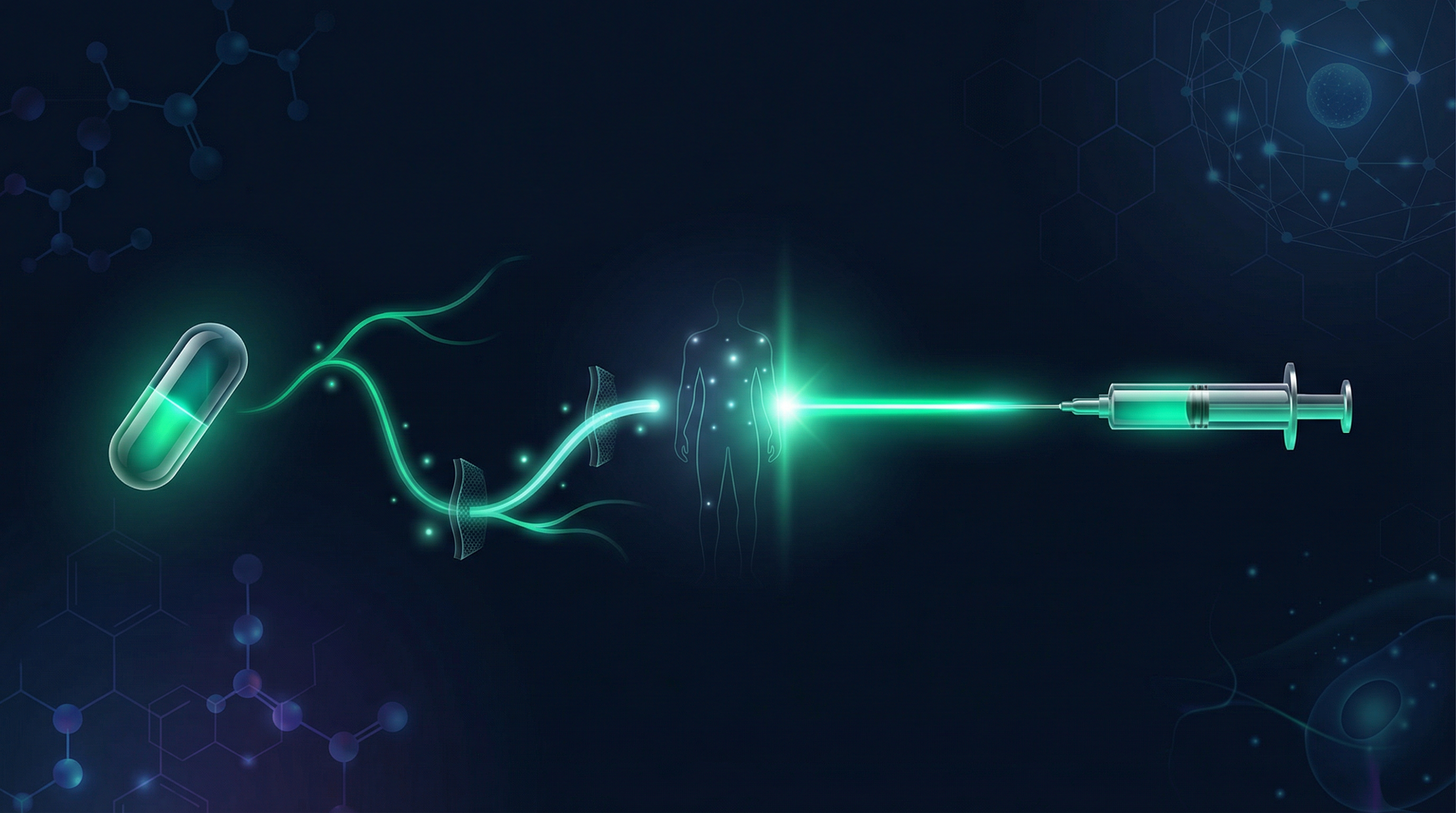
A: Alcohol can irritate the gastrointestinal lining and alter blood flow, which may affect the absorption of orally administered peptides. For injectable peptides, alcohol's diuretic effect can reduce blood volume, potentially impacting the systemic distribution and cellular uptake of the peptide.
Q: What are the long-term effects of combining peptides and alcohol?
A: The long-term effects depend on the frequency and volume of alcohol consumption. Chronic alcohol use can lead to sustained liver stress, chronic dehydration, and persistent sleep disruption, all of which will significantly reduce the long-term efficacy of any peptide therapy and may exacerbate underlying health issues, potentially leading to more severe health complications.
Q: Will alcohol completely ruin my peptide cycle?
A: An occasional, moderate drink may not completely ruin a cycle, but regular or heavy drinking will significantly diminish the results. To get the most out of your investment in peptide therapy, minimizing or eliminating alcohol is the best approach. Think of it as investing in your health; alcohol can be a significant detractor from that investment.
Q: Are there any peptides that can help with alcohol cravings or withdrawal?
A: While BPC-157 has shown promise in attenuating alcohol withdrawal symptoms in animal studies [2], it's important to note that peptides are not a substitute for professional medical treatment for alcohol dependence or withdrawal. Always consult a healthcare professional for such conditions.
Disclaimer
This article is for educational purposes only and does not constitute medical advice. The information provided should not be used for diagnosing or treating a health problem or disease. Always consult with a qualified healthcare professional before starting any new treatment, including peptide therapy, or making any changes to your alcohol consumption habits. Individual responses to peptides and alcohol can vary, and personalized medical guidance is essential.
References
[1] Brower, K. J. (2001). Alcohol's effects on sleep in alcoholics. Alcohol Research & Health, 25(2), 110-125. https://pmc.ncbi.nlm.nih.gov/articles/PMC2778757/
[2] Sikiric, P., Seiwerth, S., Brcic, L., Blagaic, A. B., Zoricic, I., Sever, M., ... & Anic, T. (2004). The influence of gastric pentadecapeptide BPC 157 on acute and chronic ethanol administration in mice. European Journal of Pharmacology, 499(3), 285-290. https://pubmed.ncbi.nlm.nih.gov/15381050/
[3] Shah, R., Reyes-Gordillo, K., Cheng, Y., Varatharajalu, R., Ibrahim, J., & Lakshman, M. R. (2018). Thymosin β4 Prevents Oxidative Stress, Inflammation, and Fibrosis in Ethanol- and LPS-Induced Liver Injury in Mice. Oxidative Medicine and Cellular Longevity, 2018. https://pmc.ncbi.nlm.nih.gov/articles/PMC6079392/