BPC-157: A Comprehensive Review of Body Protection Compound
In the evolving landscape of biological research, peptides have garnered significant attention for their diverse physiological roles and potential therapeutic applications. Among these, BPC-157 (Body Protection Compound-157) stands out as a subject of extensive investigation due to its remarkable regenerative and protective properties observed in various preclinical models. This article delves into the intricacies of BPC-157, exploring its origin, mechanisms of action, researched benefits, research protocols, safety considerations, and its current standing in human clinical research.
What is BPC-157 and Where Does It Come From?
BPC-157 is a pentadecapeptide, meaning it is composed of 15 amino acids. It is a partial sequence of human gastric juice protein BPC, naturally occurring in the human stomach. Discovered and extensively researched in the 1990s by a team of Croatian scientists, its origin in gastric juice hints at its potential role in maintaining and repairing the integrity of the gastrointestinal tract. Unlike many other peptides, BPC-157 is stable in gastric acid, suggesting its resilience and potential for oral bioavailability, though most research has utilized injectable forms.
Mechanisms of Action: How BPC-157 Exerts Its Effects
The multifaceted actions of BPC-157 are attributed to its influence on several key biological pathways involved in tissue repair, inflammation, and cellular protection.
-
Angiogenesis and Vascularization: One of the most consistently observed mechanisms of BPC-157 is its ability to promote angiogenesis, the formation of new blood vessels from pre-existing ones. This process is crucial for wound healing and tissue regeneration, as it ensures adequate oxygen and nutrient supply to damaged areas. Research suggests BPC-157 achieves this by modulating the activity of growth factors such as vascular endothelial growth factor (VEGF) and its receptors, which are central to blood vessel formation. Improved vascularization can accelerate the repair of various tissues, including muscle, tendon, and ligament.
-
Nitric Oxide (NO) System Modulation: BPC-157 has been shown to interact with the nitric oxide (NO) system. NO is a crucial signaling molecule involved in numerous physiological processes, including vasodilation, inflammation, and tissue repair. BPC-157 appears to modulate both the production and activity of NO, potentially contributing to its anti-inflammatory and protective effects. By influencing NO, BPC-157 may improve blood flow, reduce oxidative stress, and facilitate tissue healing.
-
Growth Factor Upregulation and Receptor Sensitivity: Beyond VEGF, BPC-157 has been implicated in the upregulation and enhanced sensitivity of various other growth factors and their receptors. These include:
- Fibroblast Growth Factor (FGF): Important for cell proliferation, differentiation, and tissue repair.
- Epidermal Growth Factor (EGF): Plays a role in cell growth, proliferation, and differentiation, particularly in skin and epithelial tissues.
- Collagen Synthesis: Research indicates BPC-157 can promote the synthesis of collagen, a primary structural protein in connective tissues like tendons, ligaments, and skin, thereby enhancing their strength and integrity.
-
Anti-inflammatory and Antioxidant Properties: BPC-157 exhibits significant anti-inflammatory effects by modulating various inflammatory mediators and pathways. It can reduce the production of pro-inflammatory cytokines and chemokines, thereby mitigating tissue damage caused by excessive inflammation. Furthermore, its interaction with the NO system and other pathways suggests an antioxidant capacity, protecting cells from oxidative stress and free radical damage.
-
Cytoprotective Effects: BPC-157 demonstrates broad cytoprotective effects, meaning it can protect cells from various forms of injury and stress. This includes protecting cells from damage induced by toxins, ischemia, and inflammation. This protective action is thought to be mediated through its influence on cellular survival pathways and its ability to maintain cellular integrity.
Researched Benefits of BPC-157
Preclinical research has explored a wide array of potential benefits for BPC-157 across various physiological systems.
-
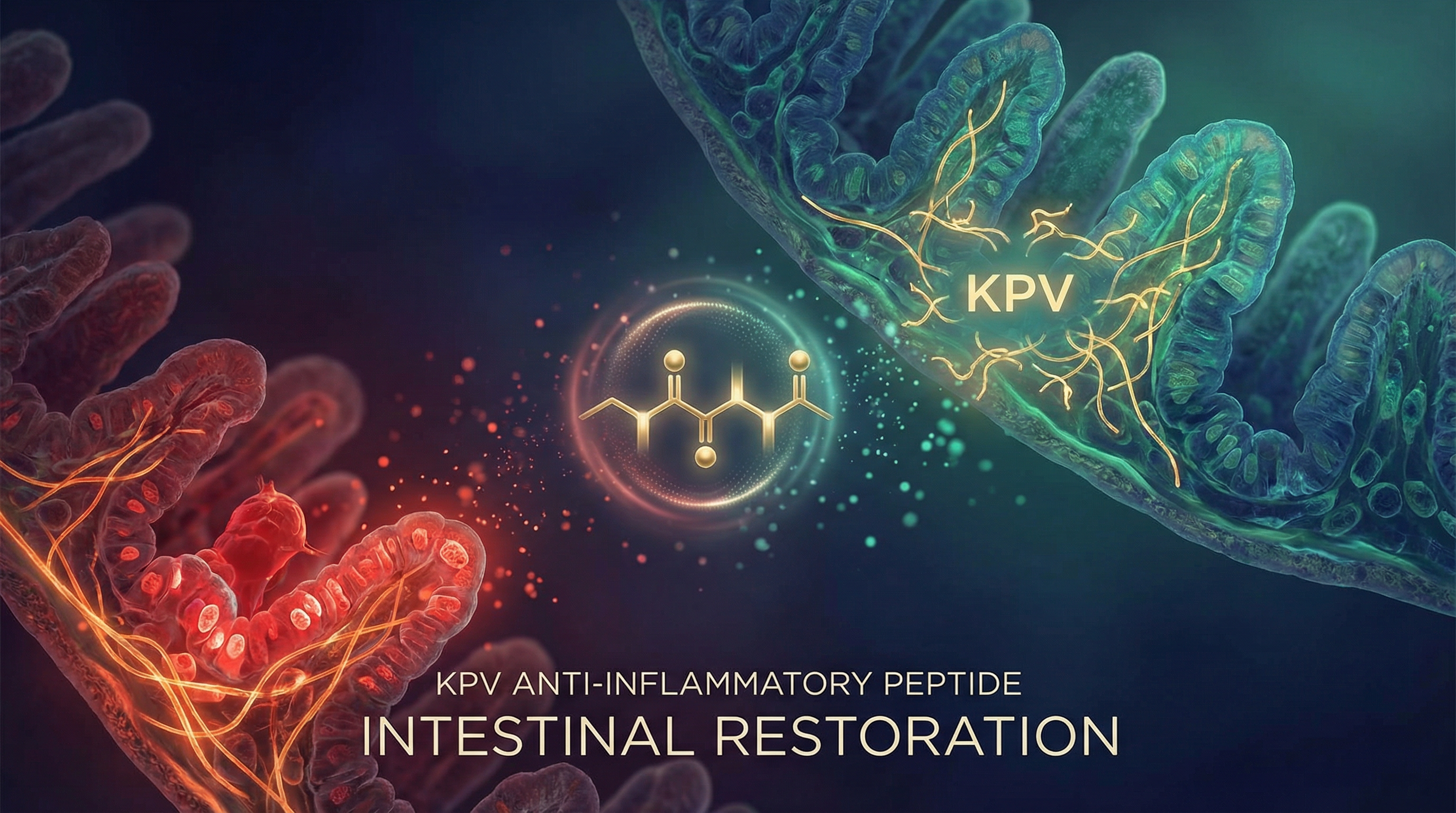
Gastrointestinal Healing and Protection: Given its origin, BPC-157 has been extensively studied for its effects on the gastrointestinal tract. Research suggests it can:
- Heal various forms of ulcers: Including gastric, duodenal, and esophageal ulcers, even those induced by NSAIDs or alcohol.
- Protect against intestinal damage: From inflammatory bowel conditions, fistulas, and short bowel syndrome.
- Improve gut barrier function: Strengthening the intestinal lining and reducing permeability.
- Alleviate symptoms of irritable bowel syndrome (IBS) and inflammatory bowel disease (IBD) in animal models.
-
Tendon, Ligament, and Muscle Repair: One of the most compelling areas of research for BPC-157 is its role in musculoskeletal tissue repair. Studies have shown it can:
Ready to explore this therapy with expert guidance? The clinical team at Telegenix offers personalized peptide and TRT [blocked] consultations backed by real lab work and evidence-based protocols. Book a free consultation today.
- Accelerate the healing of torn tendons and ligaments: Including Achilles tendon and quadriceps tendon injuries.
- Improve the strength and quality of repaired tissues.
- Promote muscle regeneration and recovery from injury.
- Aid in the healing of bone fractures.
-
Neuroprotection and Central Nervous System Effects: Emerging research points to BPC-157's neuroprotective capabilities. It has been shown to:
- Protect neurons from damage: In models of stroke, traumatic brain injury, and neurodegenerative diseases.
- Promote nerve regeneration: Following peripheral nerve injury.
- Exhibit antidepressant-like effects and anxiolytic properties in animal models.
- Counteract the neurotoxic effects of various substances.
-
Organ Protection and Systemic Effects: Beyond the gut and musculoskeletal system, BPC-157 has demonstrated protective effects in other organs:
- Cardioprotection: Protecting the heart from damage induced by ischemia-reperfusion injury and certain toxins.
- Hepatoprotection: Protecting the liver from damage caused by toxins and inflammation.
- Pancreatic protection: In models of pancreatitis.
- Modulation of immune responses: Potentially influencing inflammatory and autoimmune conditions.
Typical Research Dosing Protocols
It is crucial to emphasize that BPC-157 is an investigational compound, and there are no established clinical dosing protocols for human use. All information regarding dosing is derived from preclinical animal studies or anecdotal reports from research settings.
In research, BPC-157 has been administered via various routes, including:
- Subcutaneous injection: Most common for systemic effects.
- Intramuscular injection: Often used for localized musculoskeletal injuries.
- Oral administration: In some studies, particularly for gastrointestinal issues.
- Topical application: For superficial wounds.
Dosages in animal studies vary widely depending on the species, the condition being studied, and the route of administration. For example, rat studies might use doses in the microgram per kilogram range. When considering human research, extrapolated doses are often in the 200-500 microgram range per day, typically divided into one or two administrations. However, these are purely theoretical and should not be interpreted as recommendations for human use.
Research cycles often involve daily administration for a period of 2-4 weeks, followed by a break, or continued administration depending on the research objective.
Safety Profile and Known Side Effects
The safety profile of BPC-157, based primarily on preclinical animal studies, appears to be favorable, with a low incidence of reported side effects in these models.
-
Acute and Chronic Toxicity Studies: Animal studies have generally shown BPC-157 to be well-tolerated, even at doses significantly higher than those typically used in research. No significant organ toxicity or adverse physiological changes have been consistently reported.
-
Potential Side Effects (Anecdotal/Theoretical): While animal studies suggest a good safety profile, the lack of extensive human clinical trials means that the full spectrum of potential side effects in humans is unknown. Anecdotal reports from research settings or off-label use have sometimes mentioned:
- Mild injection site reactions: Redness, swelling, or pain (common with any injection).
- Nausea or stomach upset: Particularly with oral administration, though this is often reported as mild.
- Changes in blood pressure or heart rate: Though not consistently observed or definitively linked to BPC-157.
- Interactions with other medications: The potential for drug interactions is largely unexplored.
It is imperative to understand that the long-term safety of BPC-157 in humans has not been established.
BPC-157 vs. TB-500 Comparison
Both BPC-157 and TB-500 [blocked] (Thymosin Beta-4) are peptides researched for their regenerative properties, but they have distinct origins, structures, and primary mechanisms of action.
| Feature | BPC-157 | TB-500 (Thymosin Beta-4) |
|---|---|---|
| Origin | Partial sequence of human gastric juice protein | Naturally occurring protein, primary component of actin |
| Structure | Pentadecapeptide (15 amino acids) |
Take the next step in your optimization journey. If you're ready to move beyond research and into a supervised protocol, Telegenix offers physician-guided peptide and TRT programs with full lab support. Book a free consultation today.
Related Reading
Explore more in-depth guides on related topics:
- BPC-157: What the Science Actually Says — A PubMed-Backed Review [blocked]
- TB-500 (Thymosin Beta-4): The Healing Peptide for Injury Recovery [blocked]
- The Wolverine Stack: BPC-157 + TB-500 Dosing Guide, Clinical Evidence & What Clinicians Say [blocked]
- BPC-157 Arginine Salt: The Stable Form of the Body Protection Compound — Oral Bioavailability & Research [blocked]
- Semaglutide for Weight Loss: How GLP-1 Receptor Agonists Are Changing the Game [blocked]
For a comprehensive overview, see our Complete Guide to Peptide Therapy [blocked].
Related Comparison: Ozempic vs Mounjaro: Complete Comparison [blocked]