Key Takeaways
- In 2023, the FDA moved 19 peptides, including popular ones like BPC-157 and Thymosin Alpha-1, from Category 1 to Category 2, restricting their use in compounding pharmacies due to safety concerns.
- In a significant policy shift, HHS Secretary Robert F. Kennedy Jr. announced in February 2026 that 14 of these peptides are slated to return to Category 1, restoring access for patients and prescribers.
- This decision has major implications for compounding pharmacies, which can resume preparing these peptides, and for patients who rely on them for various therapeutic purposes.
- While this move is celebrated by many, it also reignites the debate on the balance between patient access to innovative therapies and the FDA's regulatory oversight to ensure safety and efficacy.
The Shifting Landscape of Peptide Regulation
Peptide therapy has emerged as a promising frontier in medicine, offering potential solutions for a wide range of conditions, from injury recovery to immune support. These short chains of amino acids, which are the building blocks of proteins, act as signaling molecules in the body, regulating a vast array of physiological processes. As our understanding of their function has grown, so has the interest in their therapeutic applications. However, the regulatory landscape governing these compounds has been in a state of flux, creating uncertainty for patients, providers, and compounding pharmacies. A pivotal moment in this ongoing saga was the FDA's 2023 decision to reclassify 19 peptides, effectively limiting their availability. This was followed by a dramatic reversal in early 2026, signaling a new chapter for peptide therapy in the United States.
This article delves into the recent history of peptide regulation, the key players involved, and what the latest changes mean for the future of this innovative treatment modality. For those new to this topic, our peptide therapy for beginners guide provides a comprehensive introduction.
The FDA's 2023 Peptide Reclassification
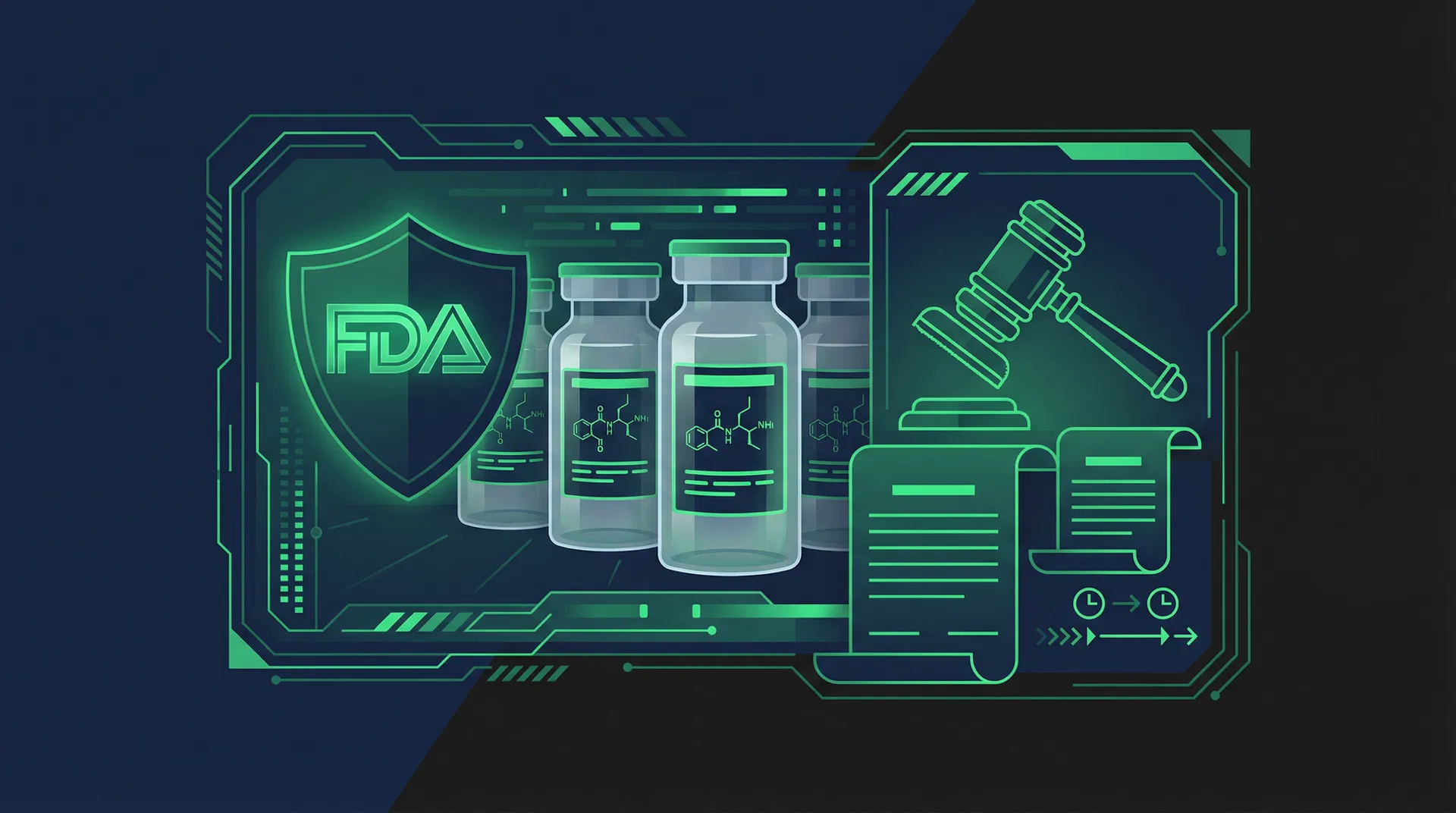
In late 2023, the FDA made a significant move by shifting 19 peptides from its Category 1 to Category 2 list of bulk drug substances for compounding. This reclassification was based on the agency's assertion of "significant safety risks" associated with these compounds. Substances in Category 1 are those that may be used in compounding while they are under review by the FDA, whereas substances in Category 2 are not eligible for use in compounding. This decision effectively halted the ability of 503A compounding pharmacies to prepare these peptides for patient-specific prescriptions.
The FDA's decision was not made in a vacuum. It came at a time of increasing popularity for peptide therapies, fueled by social media and a growing interest in wellness and anti-aging medicine. This surge in demand led to a proliferation of online vendors and clinics, some of which operated in a regulatory gray area. The FDA's action was, in part, a response to concerns about the quality, safety, and unsubstantiated therapeutic claims being made about some of these products.
The list of affected peptides included several well-known and widely used compounds, such as:
This move was met with considerable pushback from clinicians and patient advocacy groups who argued that it unduly restricted access to valuable therapies. The debate centered on the interpretation of safety data and the appropriate level of regulatory oversight for compounded medications. For a deeper understanding of the legal complexities, refer to our article on FDA legality of peptides.
RFK Jr.'s 2026 Announcement: A Change in Course
In a widely publicized announcement in February 2026, Health and Human Services (HHS) Secretary Robert F. Kennedy Jr. signaled a significant reversal of the FDA's 2023 policy. He stated his intention to work with the FDA to move 14 of the 19 peptides back to Category 1, thereby restoring the ability of compounding pharmacies to produce them.
This decision was framed as a move to enhance patient access to innovative treatments and to reduce regulatory burdens that were seen as overly restrictive. The announcement was met with enthusiasm from many in the medical and wellness communities who have long advocated for the therapeutic potential of these peptides. It was also seen as a fulfillment of a campaign promise by RFK Jr., who has been a vocal critic of what he views as regulatory overreach by the FDA.
The 14 peptides expected to be restored to Category 1 include:
- AOD-9604
- BPC-157
- Emideltide (DSIP)
- Epitalon
- GHK-Cu
- Kisspeptin-10
- KPV
- MOTS-C
- Semax
- Selank
- TB-500
- Thymosin Alpha-1
Implications for Patients and Compounding Pharmacies
The restoration of these 14 peptides to Category 1 has profound implications for both patients and the pharmacies that serve them. For patients, it means renewed access to therapies that they and their providers believe are beneficial for a variety of health concerns. Many individuals rely on peptides like BPC-157 for gut health and tissue repair, and Thymosin Alpha-1 for its immune-modulating effects Dominari et al., 2020.
For compounding pharmacies, this change allows them to once again play a crucial role in providing customized peptide formulations. This is particularly important as it allows for tailored dosages and combinations that are not available in commercially manufactured products. The reclassification is expected to lead to a resurgence in business for these pharmacies, which had been significantly impacted by the 2023 restrictions. However, it is crucial for patients to ensure they are sourcing their treatments from a legitimate provider to guarantee safety and quality.
The Science Behind the Peptides
The debate over peptide regulation is intrinsically linked to the scientific evidence supporting their use. While some peptides have been extensively studied, others have a more limited body of research, particularly in human clinical trials. This has been a central point of contention for the FDA Bays et al., 2024.
For example, BPC-157, a pentadecapeptide derived from human gastric juice, has shown significant promise in preclinical studies for its ability to promote healing in a variety of tissues, including muscle, tendon, and the gastrointestinal tract Vasireddi et al., 2025. It is believed to work by upregulating growth factors and promoting angiogenesis (the formation of new blood vessels).
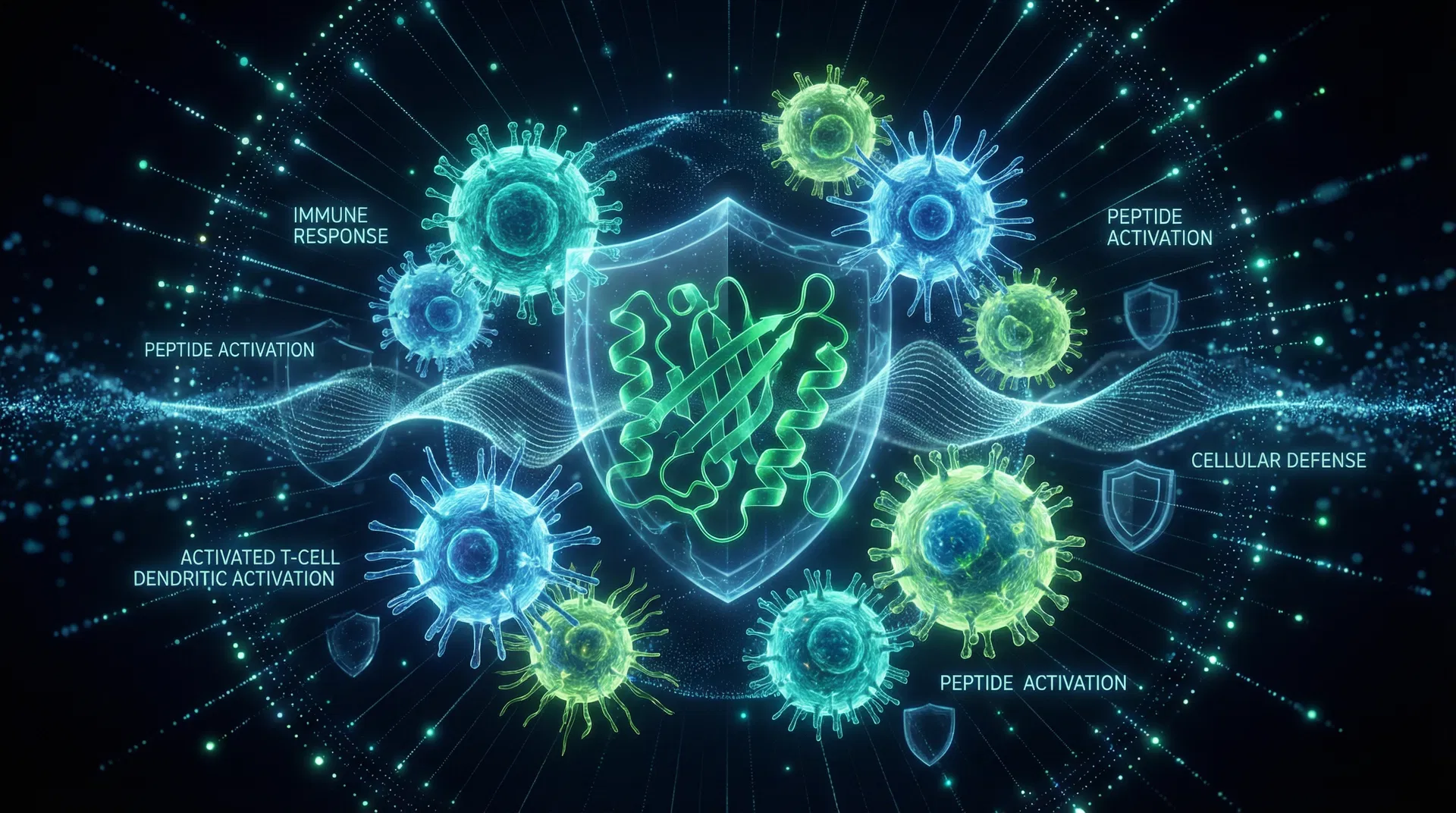
Similarly, Thymosin Alpha-1 has a long history of use in clinical practice for its role in enhancing immune function. It is a naturally occurring peptide that is produced by the thymus gland and plays a crucial role in the maturation and differentiation of T-cells, a type of white blood cell that is essential for a healthy immune response. A comprehensive review of its safety and efficacy was published in 2024 Dinetz et al., 2024.
Despite this, the FDA has often cited a lack of large-scale, randomized controlled trials in humans as a reason for its cautious stance. The recent policy shift under RFK Jr. suggests a greater willingness to consider a broader range of evidence, including real-world data and the clinical experience of providers.
The 5 Peptides Remaining in Category 2
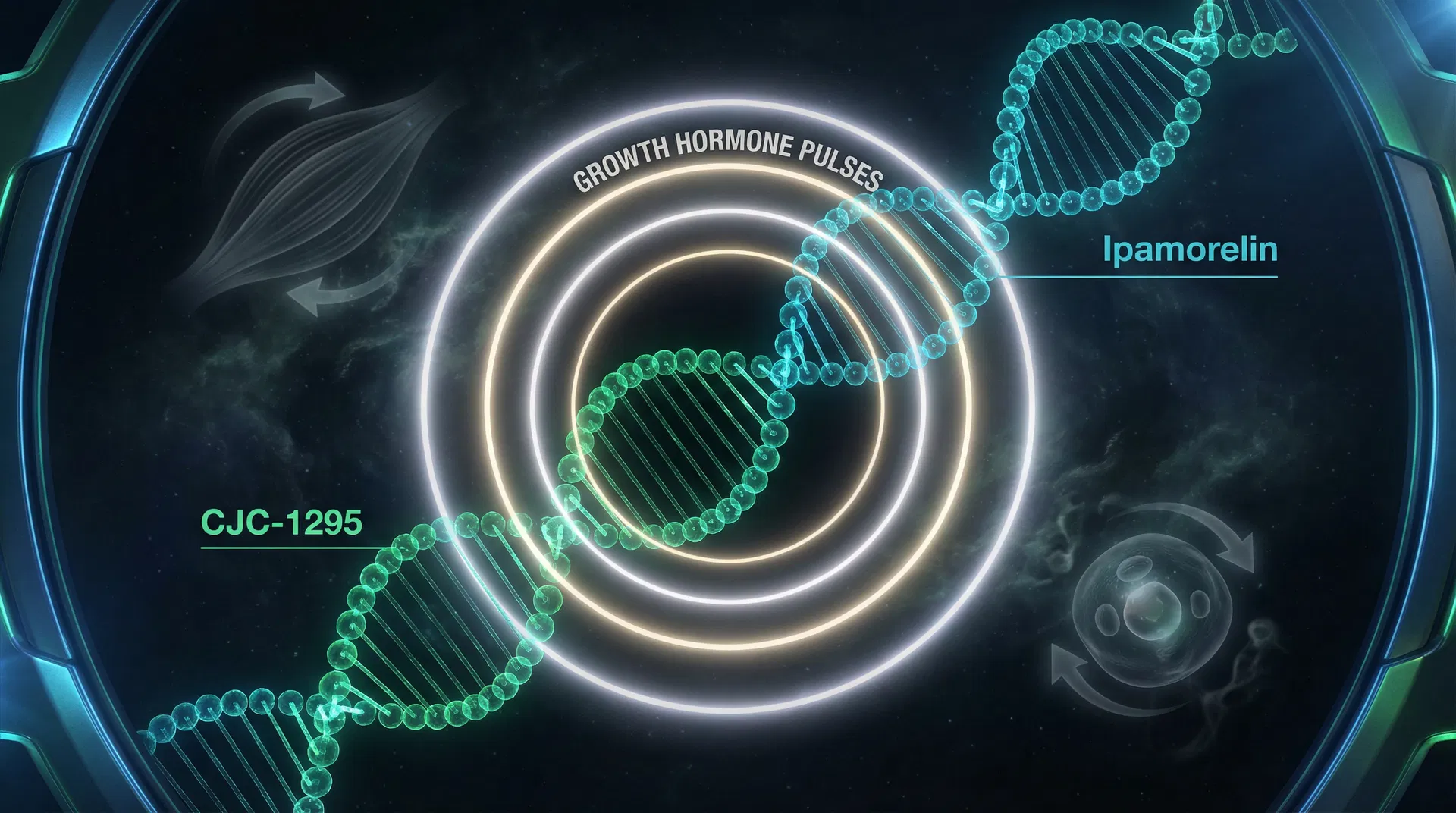
While the return of 14 peptides to Category 1 is a significant development, it's also important to note the five peptides that remain in Category 2. These substances are still considered to have unresolved safety concerns that preclude their use in compounding. The reasons for their continued restriction vary, but often relate to a lack of sufficient data to establish a favorable risk-benefit profile. The five peptides that are expected to remain in Category 2 are Ipamorelin, CJC-1295, Tesamorelin, GHRP-2 and GHRP-6.
This distinction highlights the ongoing complexities of peptide regulation. While the tide is turning for many peptides, the FDA continues to exercise caution where it deems necessary. This underscores the importance of ongoing research and data collection to further clarify the safety and efficacy of these compounds.
The Future of Peptide Regulation
The recent events surrounding peptide regulation raise important questions about the future of this field. The decision by HHS Secretary RFK Jr. to restore access to 14 peptides could set a precedent for how other novel therapies are regulated. It may signal a shift towards a more flexible and adaptive regulatory framework that is more responsive to the evolving landscape of medical innovation.
However, it is also possible that this move could lead to a backlash from those who believe it compromises the FDA's role in protecting public health. The coming months and years will be a critical time for all stakeholders in the peptide community. It will be essential to engage in a constructive dialogue to find a path forward that balances patient access, provider autonomy, and the need for robust safety and efficacy standards.
Frequently Asked Questions
Q: Are all peptides legal again?
A: No, the announcement specifically covers 14 of the 19 peptides that were moved to Category 2 in 2023. Five peptides remain on the restricted list. It is essential to consult with a healthcare provider to understand the current status of any specific peptide.
Q: What does this mean for the safety of peptide therapy?
A: The return of these peptides to Category 1 does not change the importance of using them under the guidance of a qualified healthcare professional. While they are now more accessible, patients should still be aware of potential peptide side effects and ensure they are receiving high-quality, properly compounded products.
Q: How can I find a reputable source for peptide therapy?
A: Finding a legitimate provider is key to a safe and effective peptide therapy experience. Look for clinics with licensed medical professionals who can provide a thorough consultation and source their peptides from reputable compounding pharmacies. Our guide on how to find a legitimate peptide provider offers more detailed advice.
Q: What is the difference between Category 1 and Category 2 peptides?
A: Category 1 peptides are substances that can be used by compounding pharmacies while they are under FDA review. Category 2 substances are not eligible for use in compounding due to unresolved safety concerns. The reclassification of the 14 peptides to Category 1 is a significant step in making them more accessible.
This article is for educational purposes only and does not constitute medical advice.