This article is for educational purposes only and does not constitute medical advice. Always consult with a qualified healthcare professional before making any decisions about your health or treatment.
Key Takeaways: Thymosin Alpha-1
- Powerful Immune Modulator: Thymosin Alpha-1 (Tα1) is a naturally occurring peptide that plays a crucial role in enhancing and regulating the immune system by promoting the maturation of T-cells, activating dendritic cells, and boosting the activity of NK cells.
- Broad Clinical Applications: Tα1 is used globally to treat a range of conditions, including chronic viral infections like Hepatitis B and C, various cancers (as an adjunct to immunotherapy), and immune deficiency disorders.
- Well-Tolerated and Safe: Clinical research has consistently shown that Thymosin Alpha-1 has a high safety profile with minimal side effects, which are typically limited to mild, temporary irritation at the injection site.
- Restores Immune Balance: Beyond just boosting immunity, Tα1 helps to restore a healthy immune balance, making it a valuable tool for managing conditions characterized by both immune deficiency and excessive inflammation.
Unlocking the Power of the Immune System: An Introduction to Thymosin Alpha-1
The human immune system is a complex and dynamic network of cells, tissues, and organs that work in concert to defend the body against a constant barrage of pathogens. At the heart of this system is the thymus gland, a small organ responsible for the maturation of T-cells, the critical soldiers of our adaptive immunity. One of the key molecules produced by the thymus is Thymosin Alpha-1 (Tα1), a potent peptide that has garnered significant attention for its profound ability to modulate and restore immune function. Dominari et al., 2020
While our bodies produce Tα1 naturally, its synthetic counterpart, known as Thymalfasin, has been approved for clinical use in numerous countries for decades. It serves as a powerful tool for clinicians treating everything from chronic viral infections to cancer. This article will provide a comprehensive overview of Thymosin Alpha-1, exploring its mechanism of action, diverse clinical applications, dosing protocols, and safety profile. Whether you are new to the world of peptide therapy for beginners or seeking to understand the specifics of this remarkable immune-boosting peptide, this guide will provide the essential information you need.
How Thymosin Alpha-1 Works: A Deep Dive into its Mechanism of Action
Thymosin Alpha-1 exerts its powerful effects on the immune system through a multi-faceted mechanism of action. It doesn't just provide a simple boost; it intelligently modulates the immune response, ensuring a balanced and effective defense. The primary ways Tα1 achieves this are through its influence on T-cell maturation, dendritic cell activation, and the enhancement of Natural Killer (NK) cells.
T-Cell Maturation and Differentiation
The "T" in T-cells stands for thymus, the gland where these vital immune cells mature. Tα1 acts as a key signaling molecule in this process, promoting the development of progenitor T-cells into their final, functional forms: CD4+ "helper" T-cells and CD8+ "cytotoxic" T-cells. Ancell et al., 2001 Helper T-cells are the conductors of the immune orchestra, coordinating the actions of other immune cells, while cytotoxic T-cells are the frontline soldiers that directly identify and eliminate infected or cancerous cells. By ensuring a healthy population of mature T-cells, Tα1 strengthens the body's ability to mount a specific and targeted adaptive immune response.
Activation of Dendritic Cells
Dendritic cells are the sentinels of the immune system. They constantly sample their environment for signs of pathogens or abnormal cells. When they encounter a threat, they process it and present fragments of it (antigens) to T-cells, effectively teaching the T-cells what to attack. Tα1 enhances this process by activating dendritic cells through specific receptors on their surface called Toll-like receptors (TLRs). Dominari et al., 2020 This activation makes dendritic cells more effective at presenting antigens, leading to a more robust and rapid T-cell response.
Enhancement of Natural Killer (NK) Cell Activity
Natural Killer (NK) cells are a crucial component of the innate immune system, our body's first line of defense. Unlike T-cells, which need to be "trained" to recognize specific threats, NK cells can identify and destroy stressed, infected, or cancerous cells without prior sensitization. Tα1 directly stimulates the activity of NK cells, increasing their ability to patrol the body and eliminate potential threats before they can establish themselves. This makes Tα1 a valuable asset in both preventing and fighting infections and malignancies.
A Versatile Therapeutic: The Clinical Uses of Thymosin Alpha-1
The potent immune-modulating properties of Thymosin Alpha-1 have led to its use in a wide array of clinical settings. Its ability to restore immune homeostasis makes it a valuable therapeutic agent for conditions characterized by either an underperforming or a dysregulated immune system. The synthetic form, Thymalfasin, is approved in many countries for several key indications.
Chronic Viral Infections
One of the most well-established uses of Tα1 is in the treatment of chronic viral infections, particularly Hepatitis B and Hepatitis C. Tao et al., 2023 By enhancing the body's T-cell and NK cell response against the virus, Tα1 can help to reduce viral load, improve liver function, and increase the rates of seroconversion. It is often used in combination with standard antiviral medications to improve treatment outcomes.
Cancer Immunotherapy
Cancer and its treatments, such as chemotherapy and radiation, can severely compromise the immune system. Tα1 is frequently used as an adjunctive therapy in oncology to help restore immune function and improve the patient's ability to fight the cancer. It has been studied in various malignancies, including:
- Hepatocellular Carcinoma (Liver Cancer)
- Non-Small Cell Lung Cancer
- Melanoma
By bolstering the immune system, Tα1 can enhance the efficacy of conventional cancer therapies and may also improve the patient's overall quality of life during treatment. It is a key component in the field of immune support.
Immune Deficiency Syndromes
For individuals with primary or secondary immune deficiencies, Tα1 can be a lifeline. By stimulating the production and function of key immune cells, it helps to fortify the body's defenses against opportunistic infections. This application is a cornerstone of its use in clinical practice, helping patients lead healthier lives with a reduced burden of recurrent infections. This makes it a peptide with significant potential for healing and recovery.
Finding the Right Balance: Dosing and Administration of Thymosin Alpha-1
The appropriate dosage of Thymosin Alpha-1 can vary significantly depending on the individual's health status, the condition being treated, and the prescribing physician's clinical judgment. It is crucial to understand that Tα1 is a prescription medication and should only be used under the guidance of a qualified healthcare provider who can determine the optimal protocol for your specific needs.
While there is no one-size-fits-all answer, clinical research provides some general guidelines on common dosing strategies:
| Condition/Goal | Typical Dosage Range | Frequency |
|---|---|---|
| General Immune Support | 1.0mg - 1.6mg | 2-3 times per week |
| Acute Infections/Illness | 300mcg - 500mcg | Daily for 7-14 days |
| Chronic Hepatitis B | 900 µg/m² | Twice weekly for 6-12 months |
| Adjunct Cancer Therapy | 1.6mg - 6.4mg | Varies; often multiple times per week |
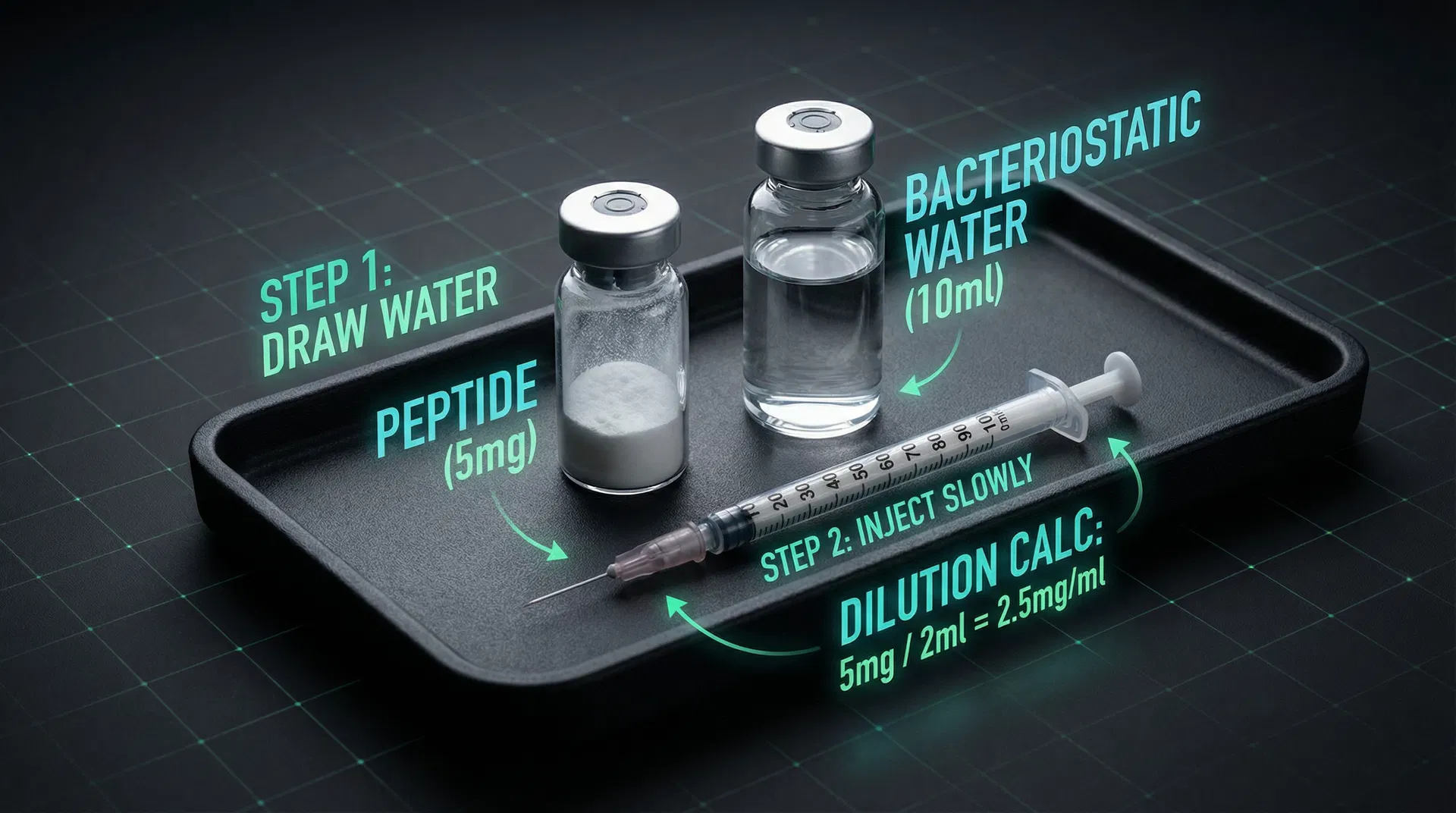
Thymosin Alpha-1 is administered via subcutaneous injection into the fatty tissue of the abdomen or thigh. The peptide is typically supplied in a lyophilized (freeze-dried) powder form that must be reconstituted with bacteriostatic water before use. Your provider will give you specific instructions on how to do this safely and correctly. For more information on the legal status of peptides, please refer to our article on FDA legality and peptide regulations.
A Strong Safety Profile: Side Effects and Considerations
One of the most appealing aspects of Thymosin Alpha-1 as a therapeutic agent is its exceptional safety profile. Decades of clinical use and numerous studies have consistently demonstrated that it is well-tolerated by most patients. Pei et al., 2018
The most commonly reported side effect is minor and transient irritation at the injection site, such as redness, itching, or discomfort. Systemic side effects are rare and generally mild. Unlike some immune-stimulating agents that can risk over-activating the immune system and causing a "cytokine storm," Tα1 is considered an immune modulator. It helps to restore balance rather than simply boosting immune activity indiscriminately, which contributes to its high degree of safety.
However, as with any medication, it is essential to discuss your full medical history with your healthcare provider before starting treatment to ensure it is a safe and appropriate option for you.
Frequently Asked Questions (FAQs)
1. Is Thymosin Alpha-1 the same as Thymosin Beta-4?
No, they are different peptides with distinct functions. While both are found in the thymus and have restorative properties, Thymosin Alpha-1 is primarily known for its immune-modulating effects. Thymosin Beta-4 (often associated with the peptide TB-500) is more recognized for its role in tissue repair, wound healing, and angiogenesis (the formation of new blood vessels).
2. Can I take Thymosin Alpha-1 to prevent the flu or common cold?
While Tα1 has been studied as a vaccine adjuvant to improve the response to the flu shot, particularly in the elderly, its role as a standalone preventative for common viral illnesses is still being explored. Its primary function is to restore and modulate immune function in cases of deficiency or dysregulation. Using it for general prevention should be discussed with a healthcare provider who can assess your individual immune status and risk factors.
3. How long does it take to see results with Thymosin Alpha-1?
The timeframe for experiencing the benefits of Tα1 depends on the reason for its use. In acute situations, such as supporting the immune system during an infection, effects may be noticed relatively quickly. For chronic conditions or for restoring long-term immune function, it may take several weeks or even months of consistent therapy to observe significant changes. It is a therapy that works to fundamentally improve immune resilience over time.
4. Where can I get Thymosin Alpha-1?
Thymosin Alpha-1 is a prescription peptide and should only be sourced from a licensed medical provider and a reputable compounding pharmacy. It is crucial to ensure you are receiving a high-quality, pure product to guarantee both safety and efficacy. For more information, see our guide on how to find a legitimate peptide provider.
This article is for educational purposes only and does not constitute medical advice. Always consult with a qualified healthcare professional before making any decisions about your health or treatment.