1. Introduction
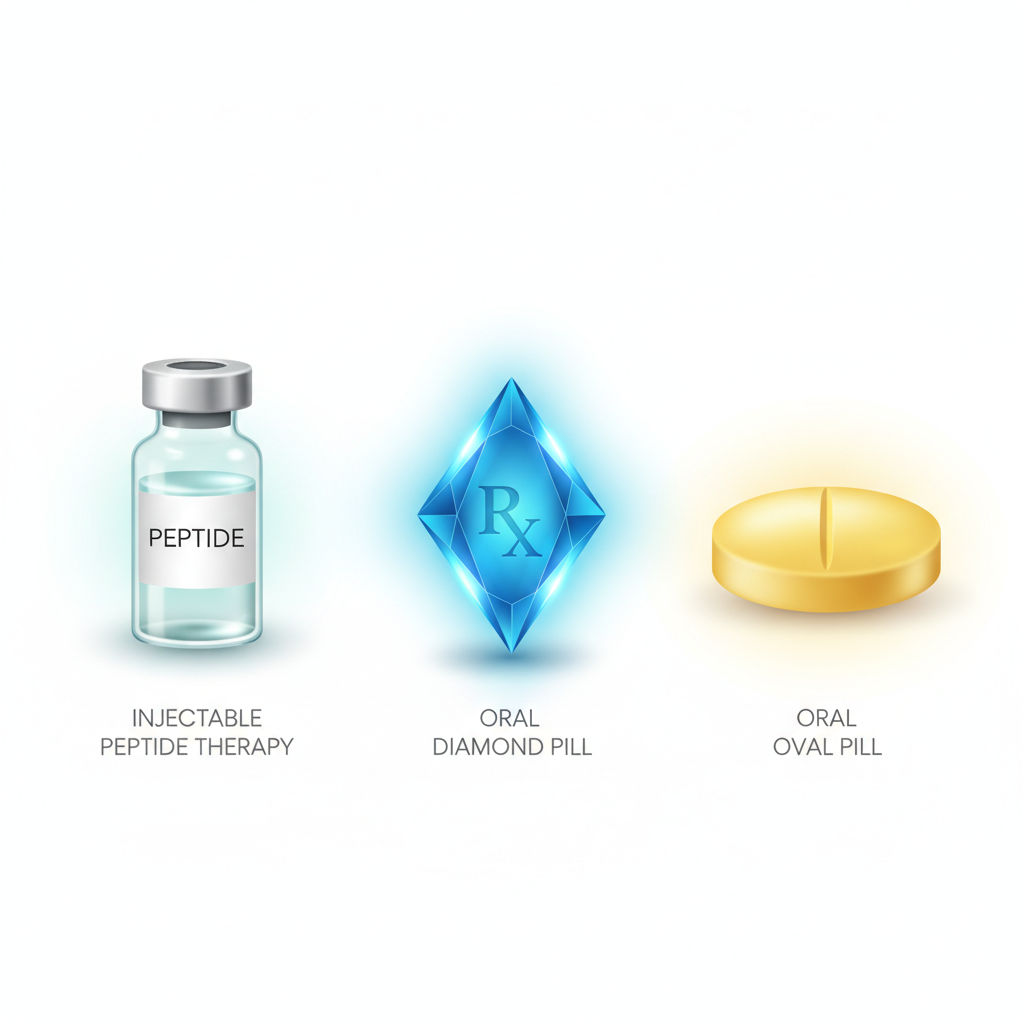
The landscape of sexual health treatment has significantly evolved beyond the initial "little blue pill." For decades, medications like Viagra (sildenafil) and Cialis (tadalafil) have stood as the gold standard for addressing erectile dysfunction peptide options [blocked] (ED) by improving blood flow to the penis. However, sexual health encompasses more than just erectile function; it also involves desire, arousal, and satisfaction. This is where PT-141 (bremelanotide), marketed as Vyleesi for peptide therapy for women [blocked], offers a fundamentally different approach, targeting the central nervous system to enhance sexual desire rather than solely focusing on peripheral blood flow.
In 2026, individuals grappling with sexual health concerns have a broader array of evidence-based options than ever before. Understanding the distinct mechanisms, benefits, and limitations of PT-141, Viagra, and Cialis is crucial for making informed decisions. This comprehensive guide aims to compare these three prominent treatments, empowering readers to understand which option, or combination thereof, may be most appropriate for their specific situation, fostering informed discussions with their healthcare providers.
2. How Each Treatment Works
The effectiveness of sexual health treatments stems from their unique physiological mechanisms. While all three aim to improve sexual experiences, they do so through different pathways:
Viagra (Sildenafil)
Viagra, with its active ingredient sildenafil, is a phosphodiesterase-5 (PDE5) inhibitor. PDE5 is an enzyme found primarily in the smooth muscle cells of the corpus cavernosum of the penis. During sexual arousal, nitric oxide (NO) is released, which activates guanylate cyclase, leading to increased levels of cyclic guanosine monophosphate (cGMP). cGMP causes the smooth muscles in the penis to relax, allowing increased blood flow and resulting in an erection. PDE5 breaks down cGMP. By inhibiting PDE5, sildenafil prevents the degradation of cGMP, thus prolonging its effects and facilitating vasodilation and blood engorgement of the penis when sexual stimulation is present [1]. It's crucial to understand that sildenafil does not cause an erection directly; it only enhances the natural erectile response to sexual stimulation.
Cialis (Tadalafil)
Cialis, containing tadalafil, also functions as a PDE5 inhibitor, sharing the same fundamental mechanism as sildenafil. It enhances the effects of nitric oxide, leading to increased cGMP levels and improved blood flow to the penis during sexual stimulation [2]. The key differentiator for tadalafil lies in its pharmacokinetic profile, particularly its significantly longer half-life. While sildenafil's effects typically last 4-6 hours, tadalafil's effects can persist for up to 36 hours, earning it the moniker "the weekend pill." This extended duration allows for greater spontaneity in sexual activity compared to other PDE5 inhibitors.
PT-141 (Bremelanotide)
PT-141, or bremelanotide, represents a novel class of treatment that operates on a fundamentally different principle. Unlike PDE5 inhibitors that target peripheral blood flow, PT-141 works centrally within the central nervous system (CNS). It is a melanocortin-4 receptor (MC4R) agonist. The melanocortin system plays a critical role in various physiological functions, including sexual arousal, appetite, and energy homeostasis. By activating MC4R in specific brain regions, particularly the hypothalamus, bremelanotide modulates neurochemical pathways associated with sexual desire and arousal [3]. This is the critical distinction: PT-141 addresses the "want to" (desire and arousal) by acting on brain pathways, whereas PDE5 inhibitors address the "able to" (erectile function) by acting on penile blood flow.
3. PT-141 (Bremelanotide) Deep Dive
PT-141 (bremelanotide) received FDA approval in 2019 under the brand name Vyleesi for the treatment of Hypoactive Sexual Desire Disorder (HSDD) in premenopausal women [4]. HSDD is characterized by a persistent or recurrent deficiency or absence of sexual fantasies and desire for sexual activity, causing marked distress or interpersonal difficulty.
Mechanism
As an MC4R agonist, bremelanotide's primary mechanism involves activating melanocortin receptors in the brain. Specifically, it is thought to modulate dopaminergic and oxytocinergic pathways involved in sexual arousal and desire. Activation of MC4R in the hypothalamus is believed to increase the activity of pro-sexual neurons, ultimately leading to enhanced sexual desire and arousal [3, 5].
Off-Label Use in Men
While FDA-approved for HSDD in premenopausal women, PT-141 is increasingly used off-label in men for both low libido and erectile dysfunction (ED). For men, PT-141 can address the psychological component of ED where desire is lacking, even if the physical ability for an erection is present or can be achieved with PDE5 inhibitors. It can also be beneficial in cases of psychogenic ED or when PDE5 inhibitors alone are insufficient because the underlying desire is absent.
Dosing and Administration
The FDA-approved dose for Vyleesi in women is 1.75 mg administered subcutaneously (SC) via an autoinjector at least 45 minutes before anticipated sexual activity. It's recommended not to administer more than one dose within 24 hours and no more than eight doses per month [4]. For compounded PT-141 used off-label, dosing can vary, but typically follows a similar range.
Side Effects
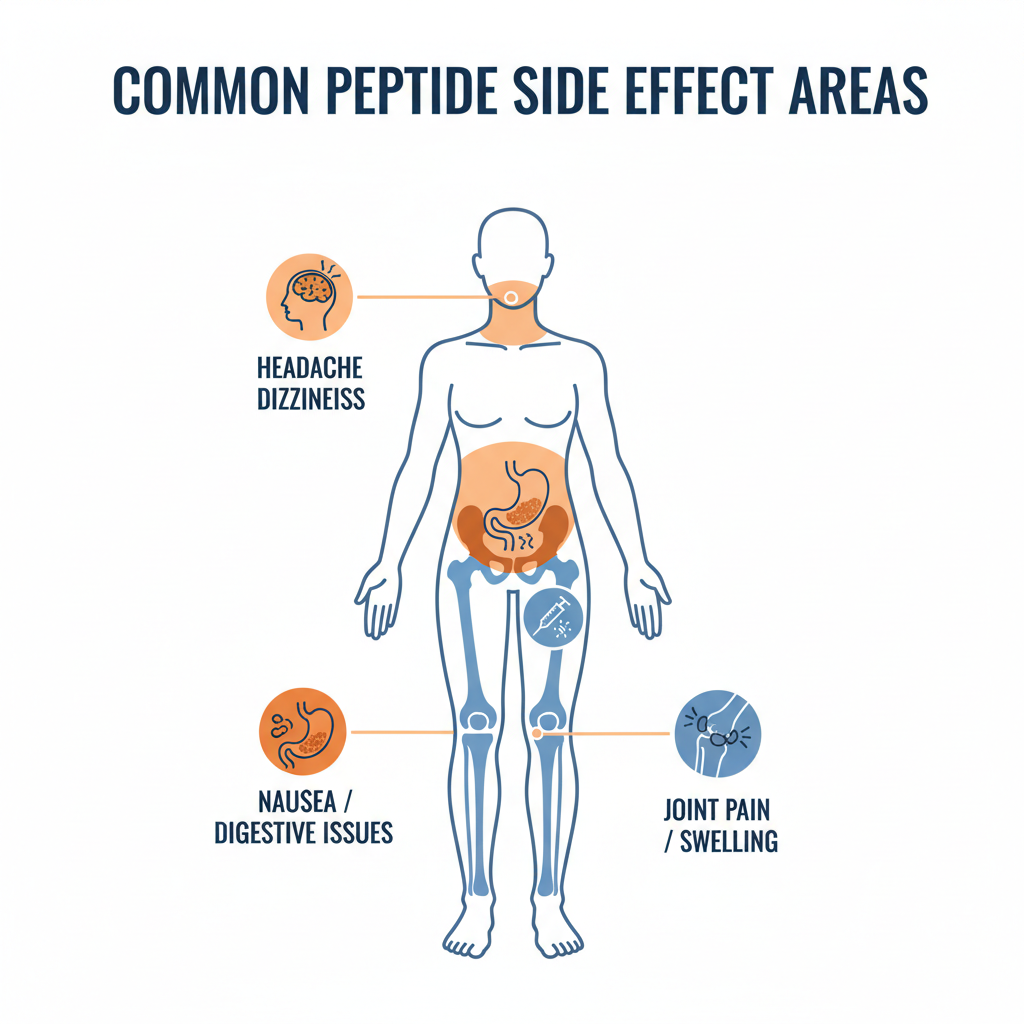
The most common side effects associated with bremelanotide include:
- Nausea (approximately 40%)
- Flushing
- Headache
- Injection site reactions
- Increased blood pressure and decreased heart rate (transient)
Due to the transient increase in blood pressure, it should be used with caution in patients with uncontrolled hypertension or cardiovascular disease. The FDA label recommends limiting use to 8 doses per month due to potential blood pressure effects and the risk of hyperpigmentation with chronic daily use [4].
For more information, see our PT-141 complete guide [blocked].
4. Viagra (Sildenafil) Deep Dive
Viagra (sildenafil) revolutionized the treatment of erectile dysfunction when it received FDA approval in 1998, becoming the first oral medication for ED.
Mechanism
As detailed earlier, sildenafil is a selective PDE5 inhibitor. By blocking the enzyme PDE5, it preserves cGMP levels in the corpus cavernosum, facilitating smooth muscle relaxation and improved blood flow necessary for an erection in response to sexual stimulation [1].
Dosing and Administration
Sildenafil is available in oral tablet form. The typical starting dose is 50 mg, taken approximately 30-60 minutes before sexual activity. Doses can be adjusted based on efficacy and tolerability, ranging from 25 mg to 100 mg. It is generally recommended not to exceed one dose per day.
Duration of Action
The effects of sildenafil typically last for 4-6 hours.
Food Interactions
High-fat meals can significantly delay the absorption of sildenafil, prolonging the onset of action and potentially reducing its effectiveness [6]. It is often advised to take sildenafil on an empty stomach or with a light meal for optimal results.
Side Effects
Common side effects include:
- Headache
- Flushing
- Nasal congestion
- Dyspepsia (indigestion)
- Visual disturbances (e.g., blurred vision, a temporary blue tinge to vision, increased light sensitivity) [7]
Rare but serious side effects include priapism (an erection lasting more than 4 hours, requiring immediate medical attention to prevent permanent damage) and sudden decrease or loss of vision or hearing.
Contraindications
Sildenafil is strictly contraindicated in patients taking nitrates (e.g., nitroglycerin for angina) due to the risk of a dangerous drop in blood pressure [8]. It should also be used with caution, and at lower doses, in patients taking alpha-blockers for hypertension or benign prostatic hyperplasia (BPH) due to the risk of hypotension.
For a direct comparison, see our PT-141 vs Viagra comparison [blocked].
5. Cialis (Tadalafil) Deep Dive
Cialis (tadalafil) received FDA approval in 2003 and quickly gained popularity due to its extended duration of action.
Mechanism
Like sildenafil, tadalafil is a PDE5 inhibitor, working to enhance the effects of nitric oxide and cGMP, thereby improving blood flow to the penis during sexual stimulation [2].
Dosing and Administration
Tadalafil is available in oral tablet form.
- As-needed dosing: Typically 10 mg or 20 mg, taken at least 30 minutes before sexual activity.
- Daily low-dose option: 2.5 mg or 5 mg once daily. This regimen provides continuous coverage, allowing for spontaneity in sexual activity at any time.
Duration of Action
The most notable feature of tadalafil is its prolonged half-life of approximately 17.5 hours, leading to effects that can last up to 36 hours.
Additional FDA Approvals
Beyond ED, tadalafil is also FDA-approved for the treatment of