1. Introduction
As peptide therapy continues its rapid ascent into mainstream medicine, particularly following the anticipated FDA reclassification in 2026, understanding potential side effects is paramount for safe and effective use. While peptides generally boast a favorable safety profile compared to many traditional pharmaceuticals, they are not without their considerations. This comprehensive guide from OnlinePeptideDoctor.com aims to equip you with the knowledge to identify, understand, and manage the most common side effects associated with various peptide categories. We will delve into specific peptides, discuss strategies to minimize adverse reactions, and outline when to seek professional medical attention. Our goal is to provide a reassuring yet honest perspective, empowering you to navigate peptide therapy with confidence.
2. General Injection Site Reactions
The most common side effect across nearly all injectable peptides is a localized reaction at the injection site. These reactions are typically mild, transient, and self-resolving, but understanding them can alleviate anxiety and help in management.
Common injection site reactions include:
- Redness (Erythema): A temporary reddening of the skin around the injection area.
- Swelling (Edema): A slight puffiness or elevation of the skin.
- Itching (Pruritus): A mild sensation of itchiness.
- Bruising (Ecchymosis): Discoloration due to minor bleeding under the skin.
- Nodules: A small, firm lump that may form under the skin, often a sign of slow absorption or irritation.
Prevention Strategies:
- Proper Injection Technique: Always use aseptic technique. Ensure the skin is clean and dry. Inject subcutaneously (under the skin) at an appropriate angle (typically 45-90 degrees depending on needle length and body fat).
- Site Rotation: Avoid injecting into the same spot repeatedly. Rotate injection sites daily (e.g., abdomen, thighs, upper arms) to prevent tissue irritation and promote even absorption.
- Room-Temperature Peptides: Allow reconstituted peptides to come to room temperature for 10-15 minutes before injection. Injecting cold solution can increase discomfort.
- Appropriate Needle Gauge: Use a fine-gauge needle (e.g., 29-31 gauge, 1/2 inch or 5/16 inch length) designed for subcutaneous injections.
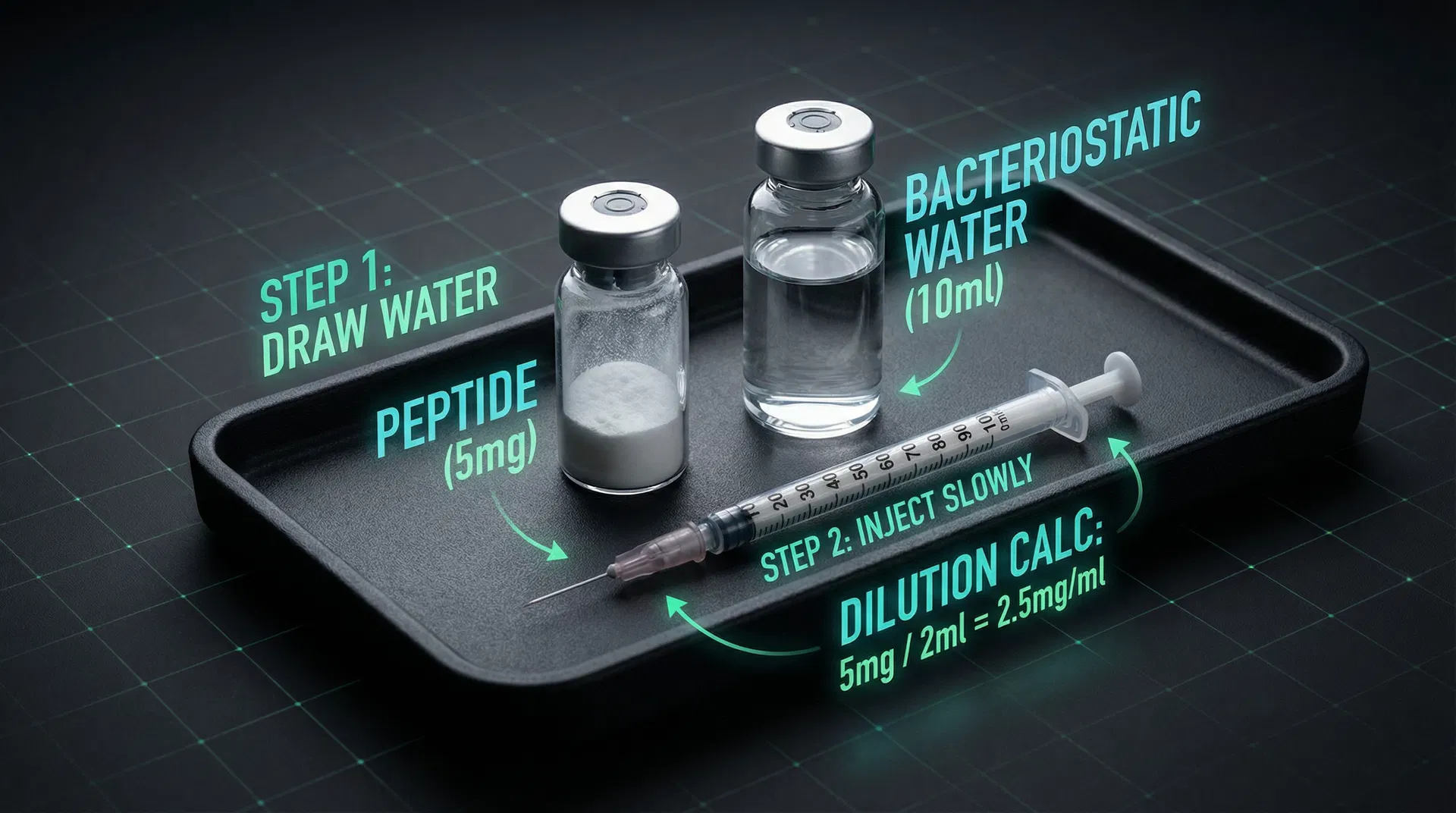
- Slow Injection: Inject the solution slowly and steadily to minimize tissue trauma.
These reactions are generally mild and resolve within a few hours to a day or two. If a reaction is severe, painful, spreads, or is accompanied by signs of infection (e.g., warmth, pus, fever), seek medical attention immediately.
3. GLP-1 Peptide Side Effects (Semaglutide, Tirzepatide, Retatrutide)
Glucagon-like peptide-1 (GLP-1) receptor agonists, and dual/triple agonists like Tirzepatide and Retatrutide, are well-documented due to extensive clinical trials for weight management and diabetes. Their primary mechanism of action, slowing gastric emptying, directly contributes to their most common side effects.
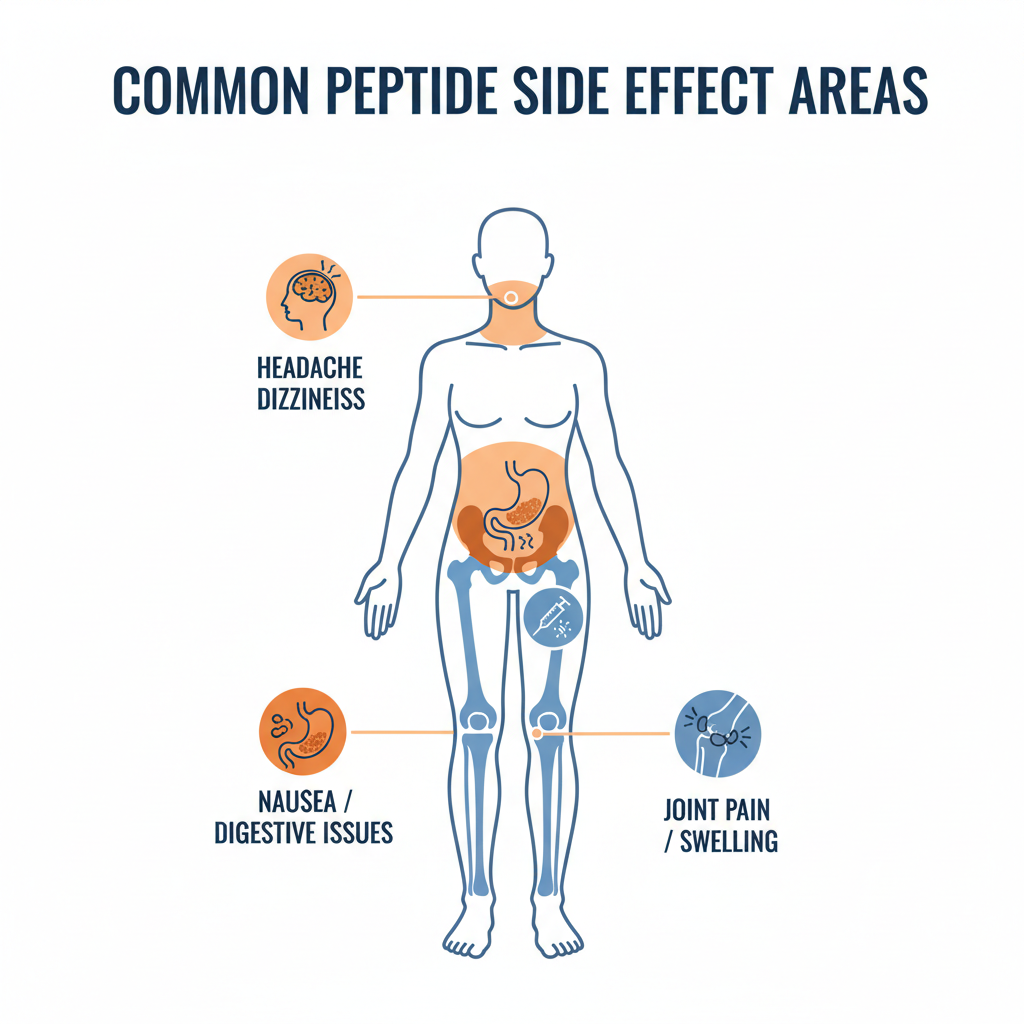
- Nausea: This is the most common side effect, reported in 20-44% of patients in clinical trials for Semaglutide and Tirzepatide (e.g., STEP and SURMOUNT trials). It is often most prominent after dose escalation and tends to decrease over time.
- Vomiting: Less common than nausea but can occur, especially with rapid dose increases.
- Diarrhea: Reported by a significant minority of users.
- Constipation: Also common, often alternating with diarrhea in some individuals.
- Decreased Appetite: While a desired effect for weight loss, it can sometimes be excessive, leading to insufficient nutrient intake.
- Abdominal Pain: General discomfort or cramping in the abdominal area.
Minimizing GI Effects:
- Dose-Titration Strategy: This is crucial. GLP-1 peptides are started at a very low dose and gradually increased over several weeks to months. This allows the body to adapt and significantly reduces the incidence and severity of GI side effects.
- Dietary Modifications: Eating smaller, more frequent meals, avoiding high-fat or greasy foods, and staying hydrated can help.
- Timing: Some find injecting at night reduces daytime nausea.
More Serious but Rare Side Effects:
- Pancreatitis Risk: While rare, GLP-1 agonists have been associated with an increased risk of pancreatitis. Symptoms include severe abdominal pain radiating to the back, often with nausea and vomiting.
- Gallbladder Issues: Cholelithiasis (gallstones) and cholecystitis (gallbladder inflammation) have been reported, particularly with rapid weight loss.
- Thyroid C-cell Tumors (Rodent Data Only): A black box warning exists for GLP-1 agonists due to an increased incidence of thyroid C-cell tumors in rodents. It is important to note that this risk has not been confirmed in humans. However, individuals with a personal or family history of medullary thyroid carcinoma (MTC) or Multiple Endocrine Neoplasia syndrome type 2 (MEN 2) should generally avoid these peptides.
References:
- Wilding, J. P. H., et al. (2021). Once-Weekly Semaglutide in Adults with Overweight or Obesity. New England Journal of Medicine, 384(11), 989-1002. (STEP trial safety data)
- Jastreboff, A. M., et al. (2022). Tirzepatide Once Weekly for the Treatment of Obesity. New England Journal of Medicine, 387(3), 205-216. (SURMOUNT trial safety data)
4. Growth Hormone Peptide Side Effects (CJC-1295, Ipamorelin, MK-677, Sermorelin)
Growth hormone-releasing peptides (GHRPs) and growth hormone-releasing hormone (GHRH) analogues stimulate the body's natural production of growth hormone. The side effects are often related to elevated GH and IGF-1 levels.
- Water Retention (Edema): Swelling, particularly in the hands and feet, is common, especially at higher doses.
- Joint Pain (Arthralgia): Discomfort in joints, often mild.
- Carpal Tunnel Symptoms: Tingling, numbness, and pain in the hands and wrists due to nerve compression from fluid retention.
- Increased Hunger: Especially notable with MK-677, which also acts as a ghrelin mimetic.
- Blood Sugar Elevation: Growth hormone can induce insulin resistance, leading to increased blood glucose levels. This is a significant concern with chronic use, particularly for individuals predisposed to diabetes.
- Tingling/Numbness (Paresthesia): A general sensation of pins and needles.
- Lethargy/Fatigue: Some users report feeling tired, particularly in the initial weeks.
Dose-Response Relationship and Minimization:
- Start Low, Go Slow: The incidence and severity of these side effects are highly dose-dependent. Starting with a low dose and gradually increasing allows the body to adapt and helps identify the minimum effective dose.
- Timing: Administering GHRPs/GHRHs before bed can help mitigate some daytime side effects and align with the body's natural GH pulsatility.
- Monitoring Blood Glucose: Regular monitoring of fasting glucose and HbA1c is advisable, especially for individuals using MK-677 or those with pre-existing metabolic conditions.
- Hydration and Electrolytes: Adequate hydration can help manage water retention.
MK-677 Specific Concerns:
- Prolonged GH Elevation and Insulin Resistance: Unlike pulsatile GH release from injectable GHRHs/GHRPs, orally active MK-677 can lead to more sustained GH and IGF-1 elevation. While beneficial for some outcomes, chronic, non-pulsatile GH elevation is known to cause insulin resistance. This is a critical consideration for long-term use and requires careful monitoring of blood glucose and HbA1c.
- Reference: Pihoker, C., et al. (2000). The effects of oral administration of the growth hormone secretagogue MK-677 on the growth hormone-insulin-like growth factor-I axis in children with growth hormone deficiency. Journal of Clinical Endocrinology & Metabolism, 85(10), 3822-3827. (While this study focused on children, it highlights the metabolic impact of MK-677).
5. Healing Peptide Side Effects (BPC-157, TB-500, GHK-Cu)
This category of peptides, often used for tissue repair and regeneration, is generally considered to be among the best-tolerated.
- **[BPC-157](/peptide/bpc-15