Beyond the Number on the Scale
When evaluating any weight loss intervention, the quality of weight loss matters as much as the quantity. Losing predominantly fat while preserving lean muscle mass is the ideal outcome, as excessive muscle loss can reduce metabolic rate, impair physical function, and increase frailty risk. Retatrutide [blocked]'s unique triple-agonist mechanism raises important questions about its effects on body composition.
Body Composition Data from Clinical Trials
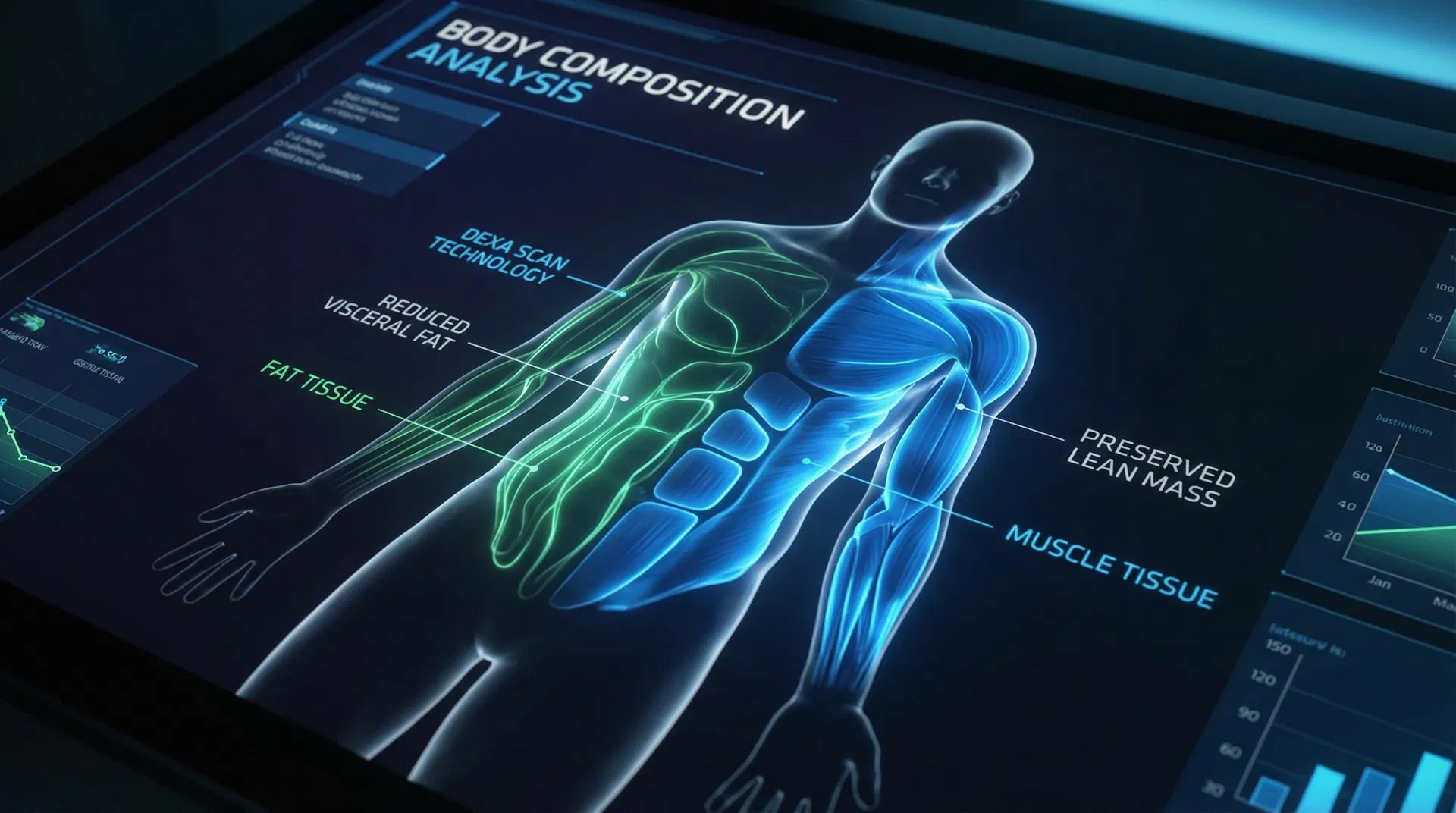
A substudy of the Phase 2 type 2 diabetes trial specifically examined retatrutide's effects on body composition using dual-energy X-ray absorptiometry (DEXA) scans. The results, published in The Lancet Diabetes & Endocrinology in 2025, provided the first detailed look at how retatrutide affects fat mass versus lean mass [1].
Key Findings
In participants receiving retatrutide at higher doses:
- Total body weight loss: Substantial (consistent with main trial results)
- Fat mass reduction: Accounted for the majority of weight lost
- Lean mass reduction: Some lean mass loss occurred, as expected with any significant weight loss
- Fat-to-lean mass loss ratio: Approximately 3:1 to 4:1 (meaning for every 4 pounds lost, roughly 3 were fat and 1 was lean tissue)
This fat-to-lean ratio is generally consistent with what has been observed with other GLP-1-based therapies and is considered acceptable by most obesity medicine experts.
Want personalized dosing and protocol guidance? The providers at Telegenix specialize in peptide therapy [blocked] and TRT [blocked], designing protocols around your unique labs and health objectives. Get started with a free consultation.
The Glucagon Factor
Retatrutide's glucagon receptor component introduces a unique dynamic in body composition. Glucagon has several effects relevant to body composition:
Potential Benefits
- Enhanced lipid oxidation: Glucagon promotes fat burning, potentially shifting weight loss toward greater fat mass reduction
- Increased energy expenditure: Higher metabolic rate from glucagon activation means more calories burned, which may help preserve muscle by reducing the caloric deficit needed for weight loss
- Hepatic fat mobilization: Glucagon specifically targets liver fat, which is metabolically harmful visceral fat
Potential Concerns
- Amino acid catabolism: Glucagon stimulates hepatic amino acid metabolism, which could theoretically promote muscle protein breakdown
- Catabolic signaling: In isolation, glucagon has catabolic effects that could oppose muscle preservation
However, in the context of retatrutide's balanced triple-agonist profile, the GLP-1 and GIP components may counterbalance glucagon's catabolic effects. GIP, in particular, has been suggested to have anabolic effects on certain tissues [2].
Comparison with Other Weight Loss Interventions
GLP-1 Agonists (Semaglutide)
Studies of semaglutide [blocked] show that approximately 30-40% of weight lost is lean mass, with 60-70% being fat mass. This is similar to the body composition changes seen with caloric restriction alone.
Dual Agonists (Tirzepatide)
Tirzepatide [blocked] appears to have a slightly more favorable body composition profile, with some data suggesting a higher proportion of fat mass loss compared to semaglutide.
Bariatric Surgery
Surgical weight loss typically results in 20-30% of weight lost being lean mass, with the remainder being fat. The rapid and dramatic weight loss after surgery can lead to significant muscle loss if not managed with protein supplementation and exercise.
Retatrutide
Based on available data, retatrutide's body composition effects appear broadly similar to other incretin-based therapies, though the glucagon component's effects on energy expenditure may provide some advantage in fat mass targeting.
Strategies to Optimize Body Composition During Treatment
Regardless of which weight loss medication is used, the following strategies can help maximize fat loss while preserving lean mass:
- Adequate protein intake: Consuming 1.0-1.6 g/kg of ideal body weight daily helps maintain muscle mass during weight loss
- Resistance training: Regular strength training provides the strongest stimulus for muscle preservation during caloric deficit
- Gradual dose titration: Slower weight loss rates generally preserve more lean mass than rapid weight loss
- Monitoring: Regular body composition assessments (DEXA scans) can track fat vs. lean mass changes
Visceral vs. Subcutaneous Fat
An important distinction in body composition is the type of fat lost. Visceral fat (surrounding internal organs) is more metabolically harmful than subcutaneous fat (under the skin). Retatrutide's glucagon component, with its direct effects on hepatic fat metabolism, may preferentially target visceral and hepatic fat, which would be particularly beneficial for metabolic health even if total weight loss were similar to other drugs [3].
What We Still Need to Know
Long-term body composition data from Phase 3 trials will be critical for understanding:
- Whether the fat-to-lean ratio changes with longer treatment duration
- How body composition changes compare between retatrutide and tirzepatide in head-to-head studies
- Whether the glucagon component provides a meaningful advantage in fat targeting
- The effects of treatment discontinuation on body composition rebound
Related Comparison: Ozempic vs Mounjaro: Complete Comparison [blocked]
References
-
"Effects of retatrutide on body composition in people with type 2 diabetes: a substudy of a phase 2 trial." The Lancet Diabetes & Endocrinology. 2025. Lancet D&E
-
Coskun T, et al. "LY3437943, a novel triple glucagon, GIP, and GLP-1 receptor agonist for glycemic control and weight loss." Cell Metabolism. 2022;34(9):1234-1247. PubMed: 35985340
-
Sanyal AJ, et al. "Triple hormone receptor agonist retatrutide for metabolic dysfunction-associated steatotic liver disease." Nature Medicine. 2024;30:2037-2048. PMC: 11271400
From research to results — get expert guidance. Telegenix specializes in physician-supervised peptide therapy and testosterone optimization. Schedule your free consultation and start your personalized protocol.
Related Reading
Explore more in-depth guides on related topics:
- AOD-9604: What the Science Actually Says — A PubMed-Backed Review [blocked]
- What Is Retatrutide? The Triple-Agonist Drug Explained [blocked]
- Retatrutide for Weight Loss: Clinical Trial Results and Efficacy [blocked]
- Testosterone and Body Composition: How TRT Affects Muscle, Fat, and Strength [blocked]
- Semaglutide: What the Science Actually Says — A PubMed-Backed Review [blocked]
For a comprehensive overview, see our Complete Guide to Peptide Therapy [blocked].