What It Is
Testosterone is a primary androgenic hormone responsible for the development of male secondary sexual characteristics. Beyond its role in reproduction, testosterone plays a crucial part in regulating body composition, including the maintenance of muscle mass, bone density, and the distribution of fat. When testosterone levels decline, either due to aging or a medical condition known as hypogonadism, it can lead to a series of undesirable changes in the body, such as an increase in fat mass, a decrease in muscle mass and strength, and a reduction in bone density. Testosterone Replacement Therapy (TRT) is a medical treatment designed to restore testosterone levels to a normal physiological range, thereby mitigating the effects of low testosterone.
How It Works
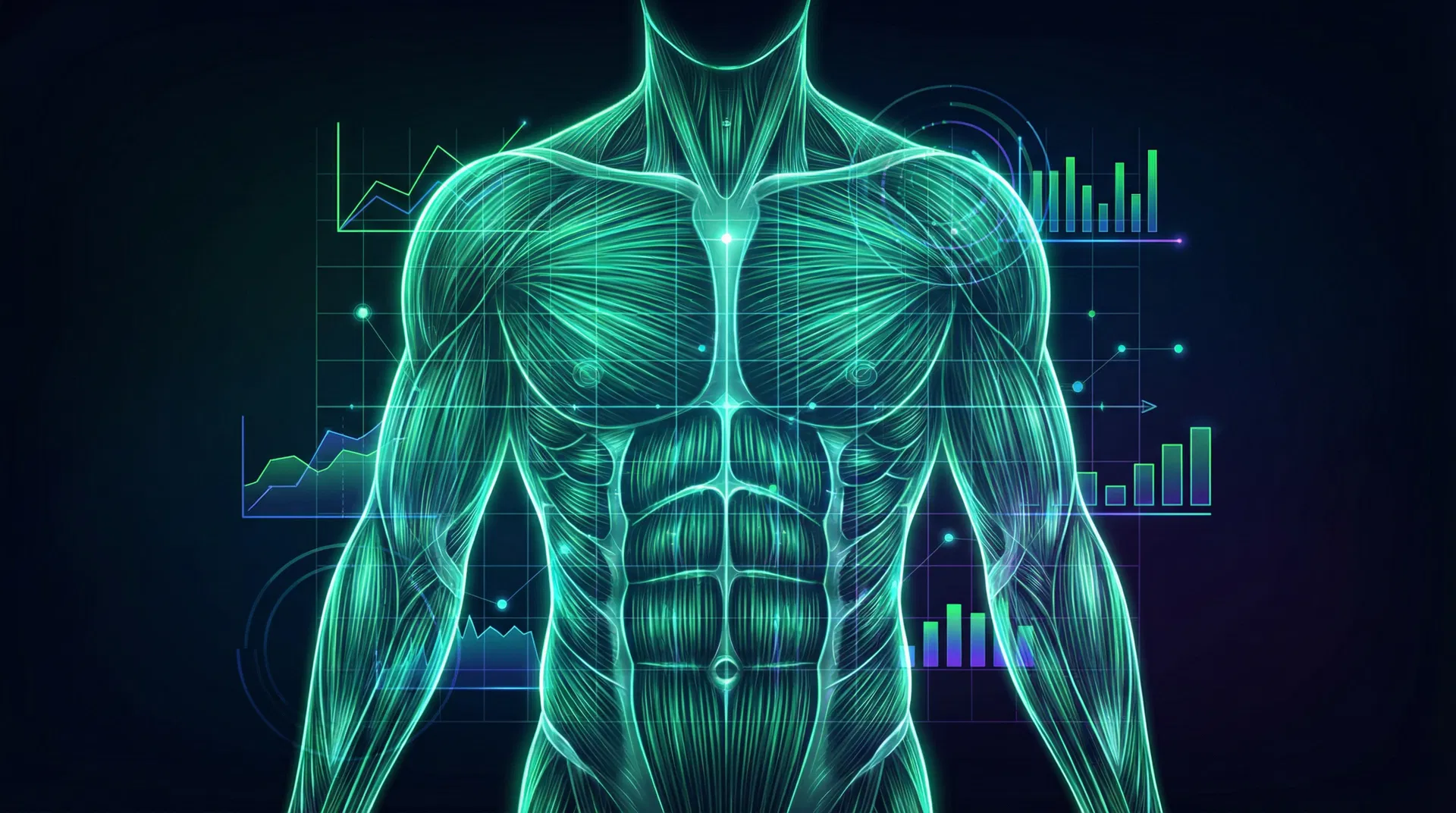
Testosterone exerts its effects on body composition through several mechanisms. It stimulates protein synthesis, which is the process by which cells build proteins, leading to an increase in muscle mass. Simultaneously, it inhibits the breakdown of proteins, further contributing to a net gain in muscle tissue. Testosterone also influences the body's fat cells, or adipocytes, by promoting the breakdown of fats (lipolysis) and inhibiting the uptake and storage of fats (lipogenesis). This dual action on muscle and fat tissue is what makes testosterone a potent regulator of body composition. Furthermore, testosterone can increase the number of satellite cells, which are muscle stem cells that are critical for muscle repair and growth.
Interested in starting a supervised protocol? Telegenix offers telehealth peptide and TRT programs with ongoing lab monitoring and provider support. Book your free consultation today.
Key Research
Numerous studies have investigated the effects of testosterone on body composition, with consistent findings supporting its role in increasing lean body mass and reducing fat mass. One of the most influential studies in this area is the dose-response study conducted by Bhasin and colleagues. This landmark study demonstrated a clear dose-dependent relationship between testosterone levels and changes in body composition. The researchers administered graded doses of testosterone to healthy young men whose natural testosterone production had been suppressed. The results showed that as testosterone doses increased, there were corresponding increases in muscle mass and strength, and decreases in fat mass Bhasin et al., 2001.
A meta-analysis of randomized controlled trials by Isidori et al. further solidified these findings. The analysis, which included 29 studies and over 1,000 men, found that testosterone treatment resulted in a significant reduction in total body fat and a significant increase in fat-free mass Isidori et al., 2005. Another study by Mårin et al. specifically looked at the effects of testosterone on abdominally obese men and found that treatment led to a decrease in visceral fat mass, which is the fat stored around the internal organs and is strongly associated with cardiovascular disease and metabolic syndrome Mårin et al., 1992.
More recent research has continued to support these earlier findings. A randomized controlled trial by Fui et al. investigated the effects of testosterone treatment in obese men on a hypocaloric diet. The study found that the men who received testosterone in addition to the diet lost more fat mass and preserved more lean mass compared to the men who only followed the diet Fui et al., 2016. Similarly, a study by Allan et al. showed that testosterone therapy in nonobese aging men prevented the gain in visceral adipose tissue and the loss of skeletal muscle that typically occurs with aging Allan et al., 2008.
Benefits
The primary benefits of TRT on body composition are the increase in lean muscle mass and the reduction in fat mass. Studies have consistently shown that men on TRT experience a significant increase in muscle size and strength, which can lead to improved physical performance and a more youthful physique. The reduction in fat mass, particularly visceral fat, is another key benefit of TRT. By reducing visceral fat, TRT can help to lower the risk of developing cardiovascular disease, type 2 diabetes, and other metabolic disorders. In addition to these changes in body composition, many men on TRT also report an improvement in their overall sense of well-being, energy levels, and mood.
Risks & Side Effects
While TRT can offer significant benefits, it is not without potential risks and side effects. One of the most common side effects is an increase in red blood cell count, which can lead to a condition called erythrocytosis. This can increase the risk of blood clots, which can be life-threatening. Other potential side effects include acne, oily skin, and an increased risk of developing benign prostatic hyperplasia (BPH), which is an enlargement of the prostate gland. There has also been some concern about the potential for TRT to increase the risk of prostate cancer, although the evidence on this is mixed and remains a topic of ongoing research. It is crucial for anyone considering TRT to have a thorough discussion with their healthcare provider about the potential risks and benefits.
Practical Considerations
Before starting TRT, it is essential to have a comprehensive medical evaluation to determine if it is an appropriate treatment. This should include a detailed medical history, a physical examination, and blood tests to measure testosterone levels and other relevant markers. Once on TRT, regular monitoring is necessary to ensure that testosterone levels are within the target range and to check for any potential side effects. The dose of testosterone may need to be adjusted over time to achieve the desired effects while minimizing the risk of side effects. It is also important to note that TRT is a long-term commitment, and the benefits will only be maintained as long as the treatment is continued.
The Bottom Line
Testosterone Replacement Therapy can be a highly effective treatment for men with low testosterone levels, leading to significant improvements in body composition, including an increase in muscle mass and a reduction in fat mass. The evidence from numerous studies, including dose-response trials and meta-analyses, strongly supports the benefits of TRT on body composition. However, it is not a treatment that should be entered into lightly. The potential risks and side effects must be carefully considered, and the treatment should be managed by a qualified healthcare provider. For men who are good candidates for TRT, it can be a life-changing treatment that can help them to regain their vitality and improve their overall health and well-being.
This information is for educational purposes only. Always consult a licensed healthcare provider before starting any hormone therapy protocol.
From research to results — get expert guidance. Telegenix specializes in physician-supervised peptide therapy and testosterone optimization. Schedule your free consultation and start your personalized protocol.
Related Reading
Explore more in-depth guides on related topics:
- Testosterone Replacement Therapy (TRT): A Complete Beginner's Guide
- TRT and Cardiovascular Health: What the Research Actually Shows
- TRT Protocols: Cypionate vs. Enanthate, Gels, and Pellets
- Managing TRT Side Effects: A Comprehensive Guide
- TRT and Mental Health: A Guide to a Better Mood and Mind
For a comprehensive overview, see our Complete Guide to Testosterone Replacement Therapy.
Related Comparison: Testosterone Gel vs Injections: Which Delivery Method?