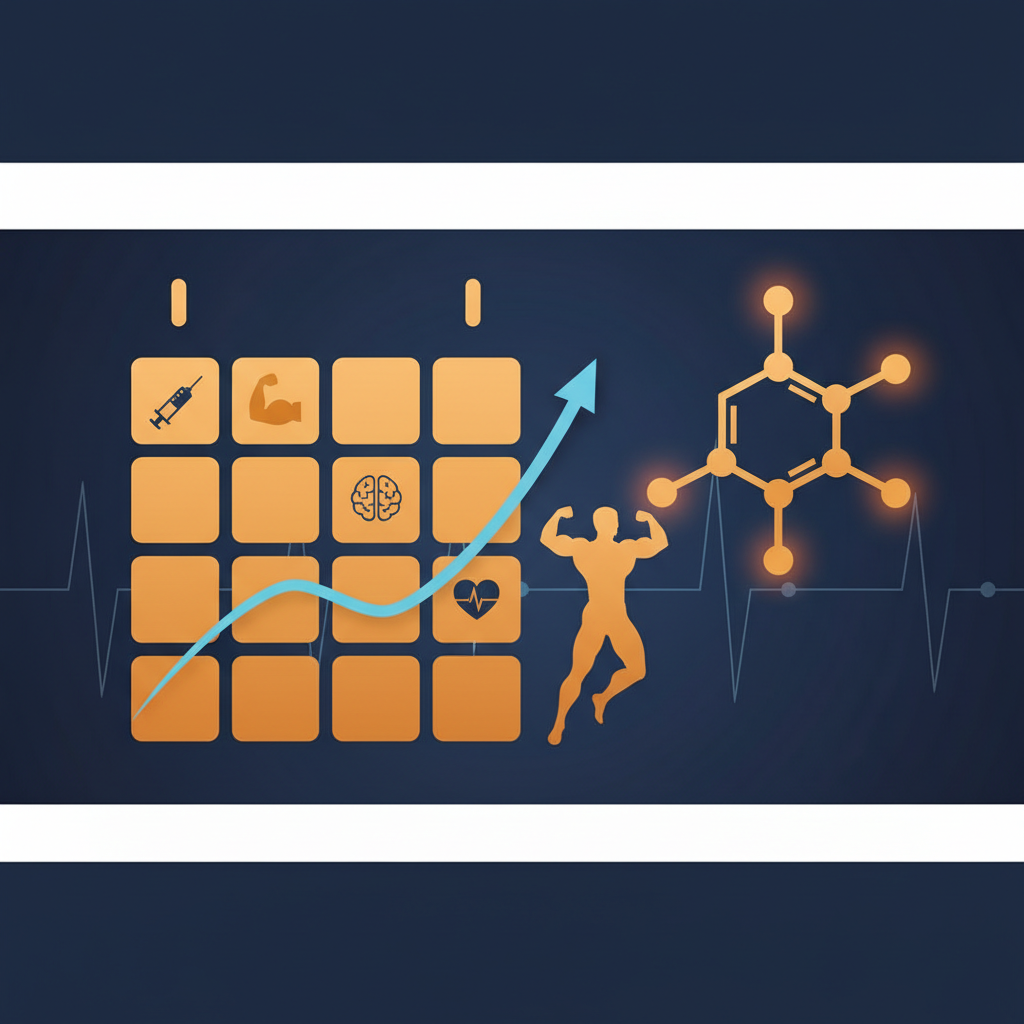
Starting Testosterone Replacement Therapy (TRT) is a significant decision that many men consider to address symptoms of low testosterone, often referred to as hypogonadism. This condition can manifest in various ways, including fatigue, decreased libido, mood disturbances, and reduced physical performance [1]. Understanding the realistic timeline for experiencing the benefits and potential side effects of TRT is crucial for setting proper expectations and preventing premature discontinuation of treatment.
TRT is not a quick fix; it's a journey that requires patience, consistency, and close monitoring. While some individuals may notice subtle changes within weeks, the full spectrum of benefits typically unfolds over several months, and in some cases, even a year or more. This comprehensive guide will walk you through what to expect month by month, from the initial baseline assessments to long-term maintenance, providing a practical timeline to help you navigate your TRT journey.
Medical Disclaimer: The information provided in this article is for educational purposes only and should not be considered medical advice. It is essential to consult with a qualified healthcare professional before starting any new treatment, including TRT. Individual results may vary, and a personalized treatment plan is necessary for safe and effective therapy.
Before You Start: Baseline Bloodwork
Before initiating TRT, a thorough evaluation is paramount. This typically involves a comprehensive review of your medical history, a physical examination, and crucial baseline blood tests. These tests provide a snapshot of your hormonal and overall health status, helping your healthcare provider determine if TRT is appropriate and to establish a personalized treatment plan.
Essential Markers and Why Each Matters:
- Total Testosterone (Total T): This measures the total amount of testosterone in your blood, including both bound and unbound forms. It's the primary indicator of your overall testosterone status and is often the first test used to diagnose hypogonadism [2].
- Free Testosterone (Free T): This measures the unbound, biologically active testosterone that can readily enter cells and exert its effects. While Total T can be within the normal range, low Free T can still lead to symptoms of hypogonadism, as it's the free form that is actually utilized by the body [3].
- Sex Hormone Binding Globulin (SHBG): This protein binds to testosterone, making it unavailable for cellular uptake. High SHBG can lead to low Free T even with normal Total T levels, while low SHBG can result in higher Free T. Understanding SHBG levels helps in interpreting Total and Free T results and in determining appropriate dosing [4].
- Estradiol (E2): This is the primary estrogen in men, produced primarily through the aromatization of testosterone. While essential for bone health and libido, excessive estradiol can lead to side effects like gynecomastia, water retention, and mood swings. Monitoring E2 is crucial, especially on TRT, as increased testosterone can lead to increased aromatization [5].
- Luteinizing Hormone (LH) and Follicle-Stimulating Hormone (FSH): These pituitary hormones stimulate testosterone production in the testes. Low LH and FSH levels in conjunction with low testosterone indicate secondary hypogonadism (a problem with the pituitary or hypothalamus), while high LH and FSH with low testosterone indicate primary hypogonadism (a problem with the testes themselves). These markers help identify the cause of low testosterone [6].
- Hematocrit (HCT): This measures the percentage of red blood cells in your blood. TRT can stimulate red blood cell production, potentially leading to elevated hematocrit, which can increase the risk of blood clots. Regular monitoring is essential to manage this potential side effect [7].
- Prostate-Specific Antigen (PSA): This marker is used to screen for prostate cancer. TRT is generally not recommended for men with active prostate cancer. Baseline PSA and regular monitoring are important, especially in older men [8].
- Lipid Panel: This includes total cholesterol, HDL (good cholesterol), LDL (bad cholesterol), and triglycerides. TRT can sometimes affect lipid profiles, making baseline assessment and ongoing monitoring important for cardiovascular health [9].
- Metabolic Panel: This assesses kidney function, liver function, blood sugar levels, and electrolyte balance. It provides a broad overview of your metabolic health and helps identify any pre-existing conditions that might influence TRT [10].
For a deeper dive into TRT, explore our comprehensive TRT therapy guide.
Week 1-2: Initial Changes
The first couple of weeks on TRT are often a period of adjustment. While significant physiological changes are unlikely, some individuals may experience subtle shifts, often influenced by the psychological boost of starting treatment.
- Possible Mood Improvement: Some individuals report a slight uplift in mood or a reduction in irritability. This can be partly due to the expectation of feeling better (placebo effect) and partly due to the initial, albeit small, increase in testosterone levels beginning to interact with brain receptors [11].
- Increased Energy (Partly Placebo): Similar to mood, a perceived increase in energy levels can occur. While true physiological energy boosts take longer, the psychological impact of taking control of one's health can be powerful.
- Injection Site Management (for injectables): If you're using injectable testosterone (e.g., testosterone cypionate or enanthate), you'll be getting accustomed to the injection process. Proper technique, rotation of injection sites, and managing any minor discomfort or bruising are key aspects of this initial phase.
- Establishing Routine: This period is crucial for integrating TRT into your daily or weekly routine, whether it's applying gels, creams, or performing injections. Consistency is vital for maintaining stable hormone levels.
Month 1: Early Adaptations
By the end of the first month, your body has begun to adapt to the influx of exogenous testosterone. Blood levels are starting to stabilize, and some of the more immediate benefits may become noticeable.
- Libido Changes (Often the First Noticeable Effect): Many men report an improvement in sexual desire and interest within the first few weeks to a month. Testosterone plays a critical role in libido, and restoring levels can often reignite this drive [12].
- Improved Morning Erections: Along with libido, the frequency and quality of morning erections may improve. This is a direct physiological response to increased testosterone levels influencing nitric oxide pathways essential for erectile function [13].
- Slight Mood Stabilization: Beyond the initial "lift," a more sustained improvement in mood and a reduction in symptoms like anxiety or depression may become apparent. Testosterone influences neurotransmitters and brain regions associated with mood regulation [14].
- Sleep Quality Changes: Some individuals report improvements in sleep quality, while others may experience changes that require adjustment. It's important to monitor sleep patterns and discuss any significant changes with your healthcare provider.
- Blood Levels Stabilizing: Your testosterone levels will be approaching a more stable range within the first month, especially with consistent dosing. However, they may not yet be at their optimal therapeutic level.
Month 2-3: Noticeable Improvements
This period often marks a turning point where the benefits of TRT become more pronounced and tangible. Your body has had more time to respond to the elevated testosterone levels.
- Body Composition Changes Beginning: While dramatic changes won't happen overnight, you might start to notice subtle shifts. This can include a slight increase in lean muscle mass and a very gradual reduction in body fat, particularly around the midsection. These changes are often enhanced by consistent exercise and a healthy diet [15].
- Strength Gains in the Gym: If you're exercising regularly, you may start to experience increased strength and improved recovery from workouts. Testosterone is anabolic, meaning it promotes muscle protein synthesis [16].
- Cognitive Clarity and Reduced Brain Fog: Many men report improved focus, concentration, and a reduction in the "brain fog" that often accompanies low testosterone. This can lead to better productivity and overall mental sharpness [17].
- Increased Confidence and Sense of Well-being: The cumulative effect of improved mood, energy, libido, and physical performance often translates into a significant boost in confidence and an enhanced overall sense of well-being.
- First Follow-Up Bloodwork: Around the 8-12 week mark, your healthcare provider will typically order follow-up blood tests. This is crucial to assess your response to the initial dosing, ensure testosterone levels are within the therapeutic range, and monitor for potential side effects like elevated estradiol or hematocrit. Adjustments to your protocol may be made based on these results.
Month 3-6: Significant Progress
By this stage, many individuals are experiencing the more profound and lasting benefits of TRT. The body has fully adapted to the new hormonal environment, and the effects are becoming more evident.
- Measurable Body Composition Changes: Muscle growth and fat loss become more noticeable and measurable. You may see changes in your physique, clothing fit, and body measurements. This is a period where consistent effort in diet and exercise can yield significant rewards [18].
- Fat Redistribution: Beyond just fat loss, some individuals report a redistribution of body fat, often with a reduction in visceral fat (fat around organs) and an improvement in overall body shape.
- Improved Cardiovascular Endurance: Many men experience enhanced stamina and endurance during physical activities. This can be due to improved red blood cell production (within healthy limits) and better energy utilization [19].
- Skin Quality and Hair Changes: Some individuals notice improvements in skin elasticity and texture. Hair growth patterns can also be affected; some may experience increased body hair, while others