Key Takeaways
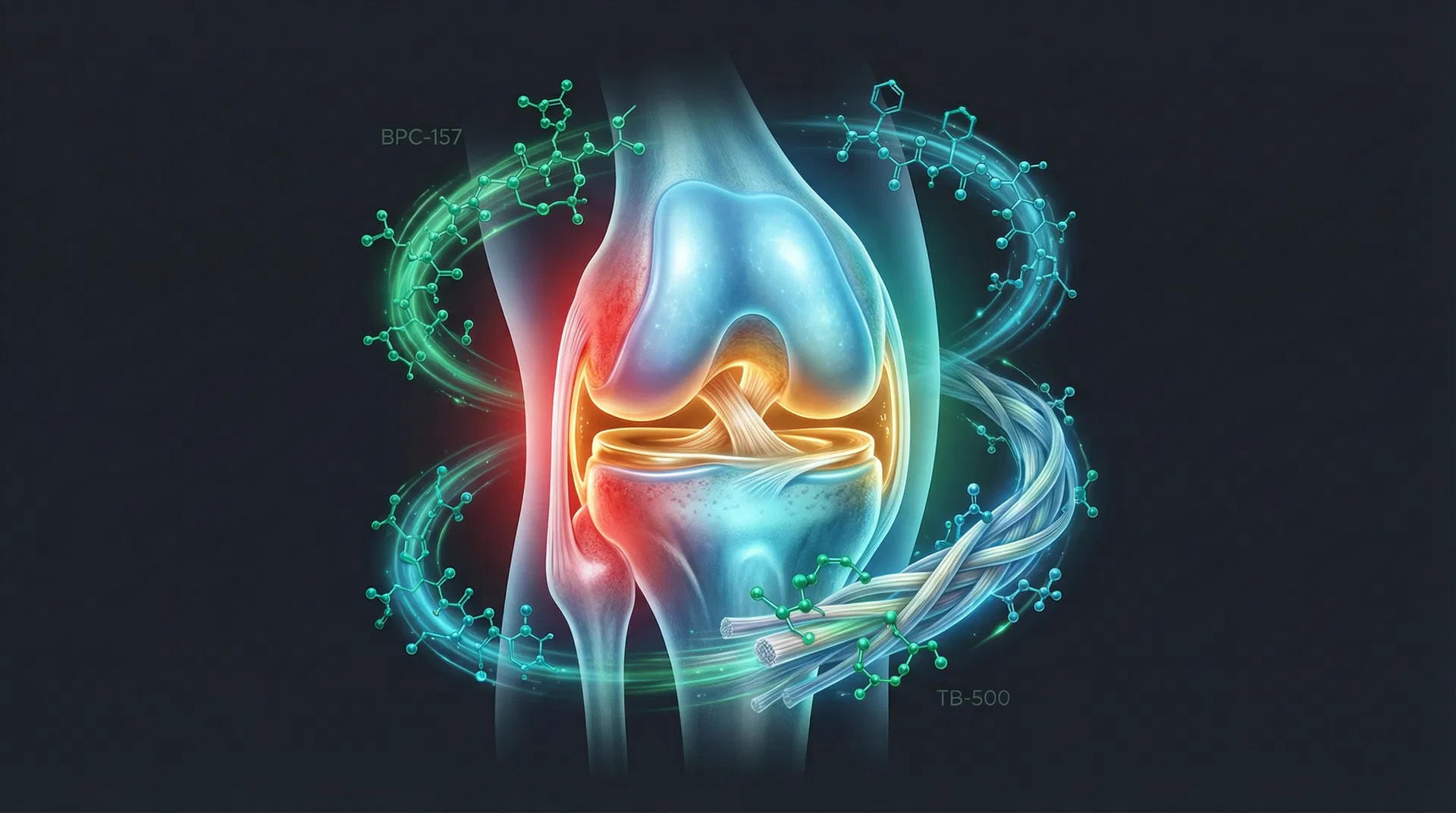
- Targeted Healing: Peptides like BPC-157 and TB-500 offer a regenerative approach to joint pain and arthritis by reducing inflammation, promoting new blood vessel growth (angiogenesis), and stimulating collagen synthesis to repair damaged tissue at the source.
- Synergistic Effects: Combining BPC-157 and TB-500, often called the "Wolverine stack," can enhance healing by leveraging their complementary mechanisms—BPC-157 for localized repair and TB-500 for systemic regeneration.
- Administration Matters: While oral forms exist, subcutaneous injections are the most effective method for administering peptides, ensuring maximum bioavailability and consistent dosing by bypassing the digestive system.
- Evidence and Safety: Preclinical data and a growing body of clinical evidence support the use of peptides for musculoskeletal injuries, but it is crucial to consult a healthcare professional and source peptides from a reputable provider to ensure safety and efficacy.
The Rising Tide of Joint Pain and the Search for Better Solutions
Joint pain is a pervasive issue, affecting millions of people worldwide and stemming from conditions like osteoarthritis, rheumatoid arthritis, and sports-related injuries. It can significantly impair quality of life, limiting mobility and causing chronic discomfort. While traditional treatments such as NSAIDs, corticosteroid injections, and physical therapy offer relief for some, they often come with side effects or fail to address the root cause of the damage. This has led researchers and clinicians to explore regenerative medicine, a field where peptide therapy is emerging as a powerful new frontier. Peptides, short chains of amino acids, act as signaling molecules in the body, and certain peptides have shown remarkable potential in not just managing symptoms, but actively healing and repairing damaged joint tissues.
This article will explore the science behind using peptides for joint pain and arthritis, focusing on two of the most well-researched compounds: BPC-157 and TB-500. We will delve into their mechanisms of action, administration protocols, and the clinical evidence supporting their use. We will also discuss the synergistic effects of combining these peptides and what you need to know about different administration methods.
How Peptides Target Joint Pain and Arthritis at the Source
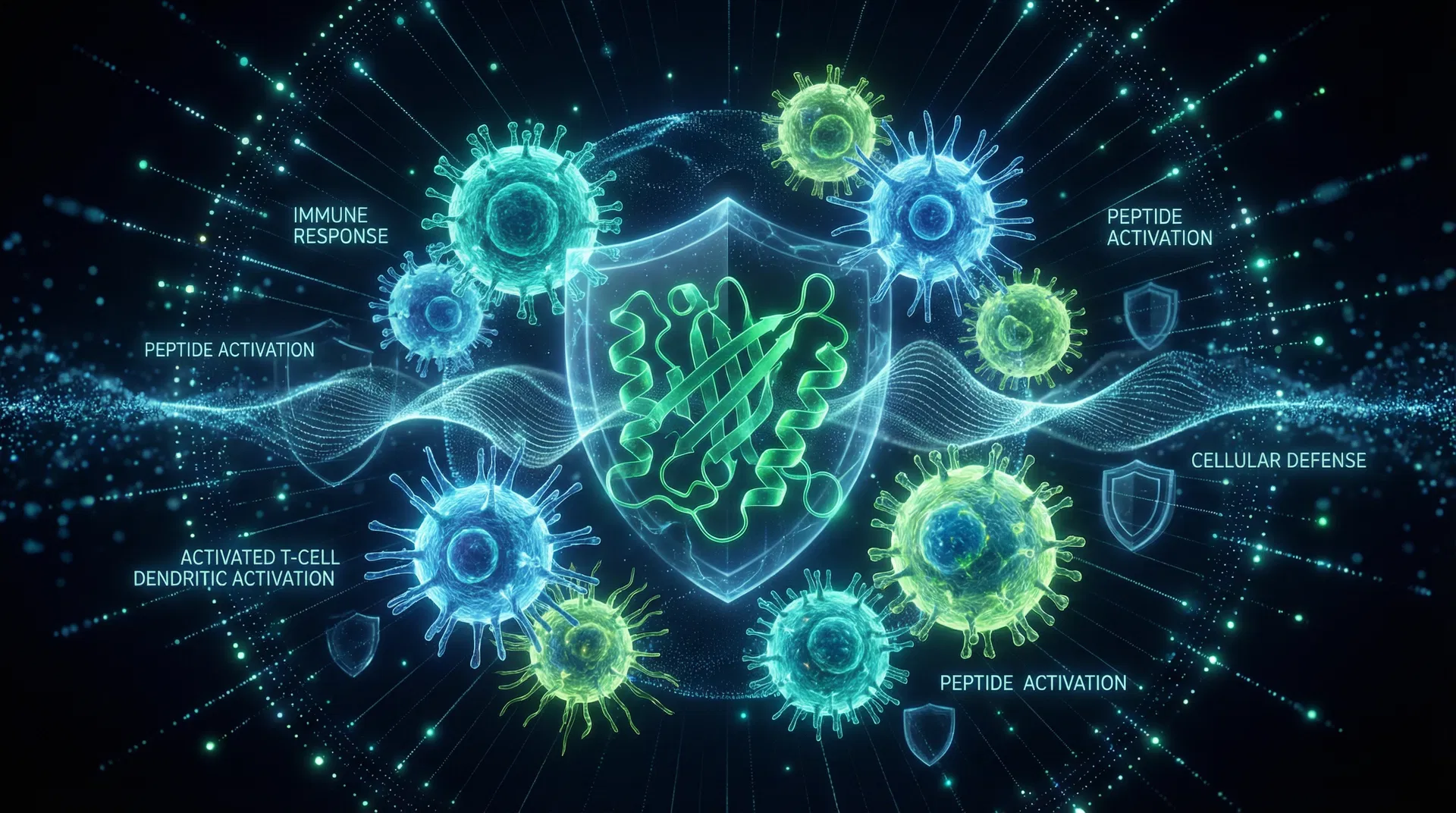
Unlike conventional pain relievers that simply mask discomfort, peptides work at a cellular level to promote healing and regeneration. They achieve this through several interconnected mechanisms:
Reducing Inflammation
Chronic inflammation is a key driver of joint destruction in conditions like osteoarthritis and rheumatoid arthritis. Peptides like BPC-157 have been shown to have potent anti-inflammatory effects, helping to quell the inflammatory cascade that leads to pain and cartilage breakdown. By modulating the body's inflammatory response, these peptides can create a more favorable environment for tissue repair.
Promoting Angiogenesis (New Blood Vessel Growth)
Effective healing requires a robust supply of blood to deliver oxygen and nutrients to the injured tissue. Peptides like TB-500 are known to promote angiogenesis, the formation of new blood vessels. This enhanced blood flow is crucial for repairing damaged cartilage, tendons, and ligaments, which are notoriously slow to heal due to their limited vascularity.
Stimulating Collagen and Tissue Synthesis
Collagen is the primary structural protein in cartilage, tendons, and ligaments. Many healing peptides, including BPC-157, have been found to stimulate the production of collagen and other key components of the extracellular matrix. This helps to rebuild and strengthen damaged joint structures, improving joint function and reducing pain. For more on peptides that promote healing, see our article on healing peptides.
Peptide Protocols: Dosage and Administration
When it comes to using peptides for joint pain, proper dosing and administration are key to achieving the desired results. While it is essential to consult with a qualified healthcare provider to determine the best protocol for your specific needs, here are some general guidelines for BPC-157 and TB-500.
BPC-157 Protocol
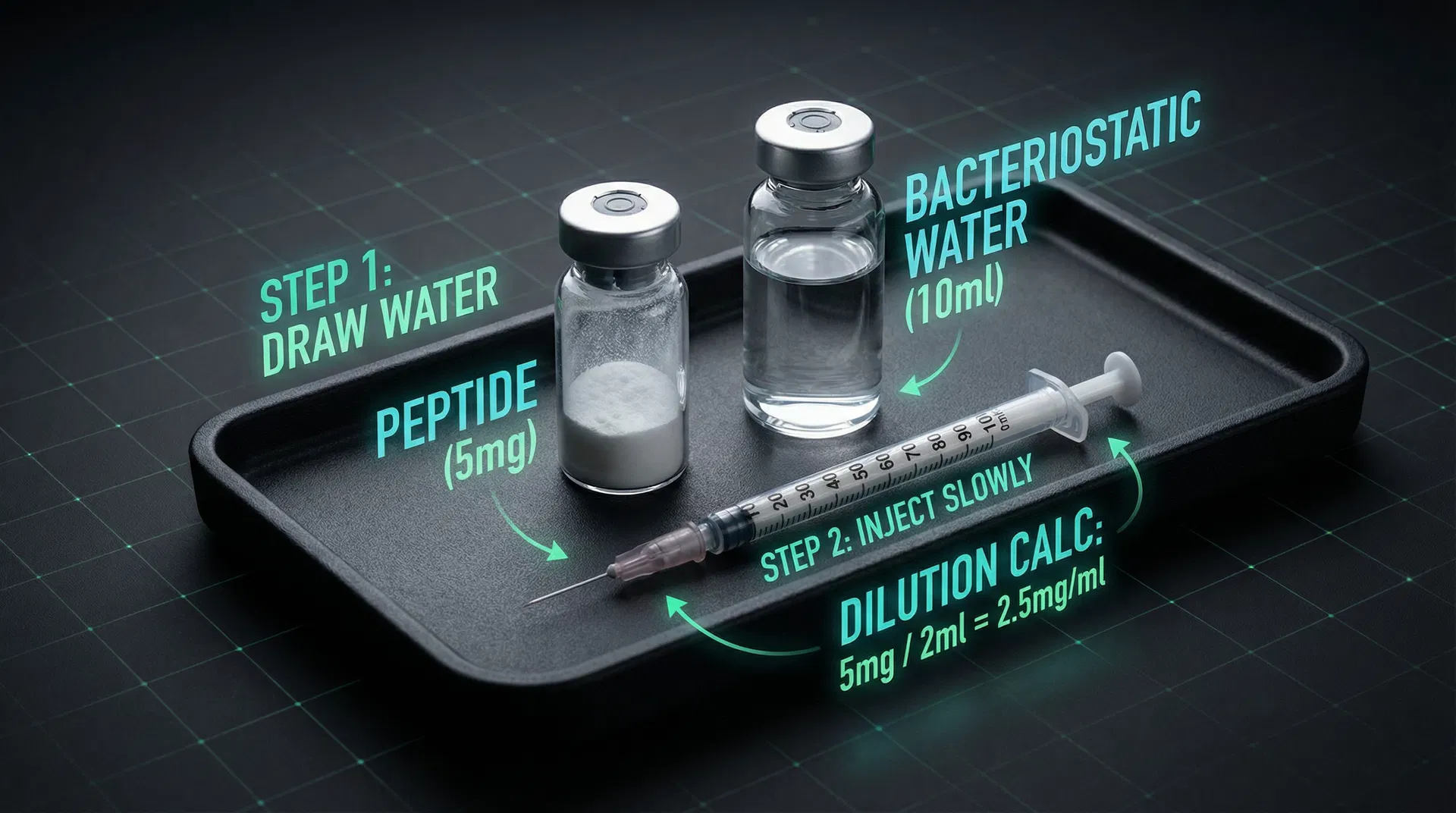
BPC-157 is typically administered via subcutaneous injection near the site of the injury. A common dosage is 200-300 mcg per day, for a cycle of 4-6 weeks. For more systemic effects, it can also be injected into the abdomen. Some people may choose to cycle BPC-157, using it for a period of time and then taking a break, while others may use it continuously for chronic conditions.
TB-500 Protocol
TB-500 is also administered via subcutaneous injection, but it is typically injected into the abdomen for systemic effects. A common loading dose is 2-2.5 mg twice a week for the first 4-6 weeks, followed by a maintenance dose of 2-2.5 mg once or twice a month. The duration of the cycle can vary depending on the individual's needs and response to the treatment.
The Combined Protocol (Wolverine Stack)
When using BPC-157 and TB-500 together, it is important to inject them separately, as they should not be mixed in the same syringe. A common protocol is to inject BPC-157 daily and TB-500 twice a week. The dosages for each peptide would typically be the same as when used individually.
A Deep Dive into the Leading Joint-Healing Peptides
While many peptides have regenerative properties, BPC-157 and TB-500 have garnered the most attention for their effects on joint health.
BPC-157: The Body's "Protective" Peptide
BPC-157, which stands for Body Protective Compound-157, is a synthetic peptide derived from a protein found in the stomach. It has demonstrated a wide range of regenerative effects in preclinical studies, particularly in the context of musculoskeletal injuries. It is thought to work by upregulating growth hormone receptors, promoting the outgrowth of fibroblasts (cells that produce collagen), and enhancing angiogenesis. For those dealing with joint pain, BPC-157 offers a multi-faceted approach to healing.
TB-500 (Thymosin Beta-4): A Master of Regeneration
TB-500 is a synthetic version of Thymosin Beta-4, a naturally occurring peptide found in virtually all human and animal cells. TB-500 plays a crucial role in tissue repair and regeneration. Its primary mechanism of action is its ability to upregulate actin, a protein that is essential for cell structure and movement. By promoting cell migration and differentiation, TB-500 can accelerate the healing of wounds, muscles, ligaments, tendons, and bones.
The "Wolverine" Stack: Combining BPC-157 and TB-500 for Synergistic Healing
For more severe or chronic injuries, many clinicians recommend using BPC-157 and TB-500 in combination, a protocol often referred to as the "Wolverine stack." The rationale behind this approach is that the two peptides have complementary mechanisms of action that can produce a synergistic healing effect. BPC-157 tends to provide more localized healing at the site of injury, while TB-500 offers more systemic support for regeneration. This combination can be particularly effective for complex injuries or for individuals looking to optimize their recovery. To learn more about combining peptides, check out our guide to peptide stacks for beginners.
Administration Methods: Injections vs. Oral Peptides
Peptides can be administered in several ways, but the most common methods are subcutaneous injections and oral capsules. Injections are generally considered to be the most effective method, as they allow the peptide to be absorbed directly into the bloodstream, bypassing the digestive system. This results in higher bioavailability and more consistent dosing. Oral peptide formulations are becoming more popular due to their convenience, but their effectiveness is still a subject of debate. The harsh environment of the stomach can degrade peptides, reducing their absorption and efficacy. However, some newer oral formulations use special coatings or carriers to protect the peptide from degradation.
Clinical Evidence and Real-World Results
While the majority of research on BPC-157 and TB-500 has been conducted in animal models, the results have been very promising. For example, a systematic review of BPC-157 for orthopedic sports medicine found that it improved functional, structural, and biomechanical outcomes in a variety of musculoskeletal injuries in preclinical models Vasireddi et al., 2025. Another study on collagen peptides for knee osteoarthritis demonstrated significant pain relief in patients who received the peptides compared to a placebo Lin et al., 2023. A study on Thymosin β4, the natural counterpart to TB-500, highlighted its role in promoting cell migration and differentiation of stem cells, which is crucial for tissue regeneration Goldstein et al., 2012.
While more large-scale human trials are needed, the existing evidence, combined with a large body of anecdotal reports, suggests that peptide therapy can be a safe and effective treatment for joint pain and arthritis for many individuals.
Frequently Asked Questions
Q: Are peptides legal and safe?
A: The legal status of peptides can be complex and varies by country. In the United States, some peptides are available by prescription from a licensed medical provider, while others are sold for "research purposes only." It is crucial to obtain peptides from a reputable source to ensure their purity and safety. When used under the guidance of a qualified healthcare professional, peptide therapy is generally considered to be safe with a low risk of side effects.
Q: How long does it take to see results from peptide therapy?
A: The timeframe for seeing results can vary depending on the individual, the severity of the injury, and the specific peptides being used. Some people may experience relief within a few weeks, while for others it may take several months of consistent use to see significant improvements.
Q: Can I take peptides with other medications?
A: It is important to discuss all medications and supplements you are taking with your healthcare provider before starting peptide therapy. While peptides are generally well-tolerated, there is always a potential for interactions with other drugs.
Q: What is the difference between BPC-157 and TB-500?
A: While both peptides have regenerative properties, they work through different mechanisms. BPC-157 is known for its potent anti-inflammatory and tissue-healing effects, particularly in the gut and musculoskeletal system. TB-500, on the other hand, is a powerful promoter of cell migration and angiogenesis, which is crucial for repairing damaged tissues throughout the body. They are often used together to create a synergistic healing effect.
This article is for educational purposes only and does not constitute medical advice.
The Future of Joint Pain Treatment
Peptide therapy represents a paradigm shift in the treatment of joint pain and arthritis. By harnessing the body's own regenerative capabilities, peptides like BPC-157 and TB-500 offer the potential for long-term healing and recovery, rather than just symptom management. As research in this field continues to grow, we can expect to see even more sophisticated and targeted peptide therapies emerge, offering hope to millions of people suffering from chronic joint conditions. If you are considering peptide therapy, it is essential to work with a knowledgeable healthcare provider who can guide you through the process and help you determine if it is the right choice for you.